
A Week in Cuba
Cuba has long been a place of fascination and mystique for many Americans. Long ago Cuba was a vibrant place full of color and prosperity. Many people would take the short flight from Miami to Havana for the entertainment and gambling. That all changed as a corrupt government came into power in the 1950's followed by the Cuban Revolution in 1959. Fidel Castro ruled the country until 2008. Castro nationalized businesses and the United States implemented an embargo. Soon Cuba became aligned with the Soviet Union and the Bay of Pigs failed invasion by the US increased tensions.
Americans have been forbidden to travel to Cuba as tourists most of that time and currently. To travel to Cuba, one must go on a cultural exchange termed "people to people." These trips are group oriented and are focused on educational experiences including the arts. I jumped on the chance to join a small group of photographers through one of these programs. The week was full of exploring old Havana, the surrounding areas, and a tobacco farm in the west. Most importantly, it was an opportunity to gain a better appreciation for the people and culture of Cuba.
Update: My trip to Cuba occurred before the dire situation from the US blockade of oil to the nation in January 2026. Since, the situation has deteriorated significantly.
.
Havana
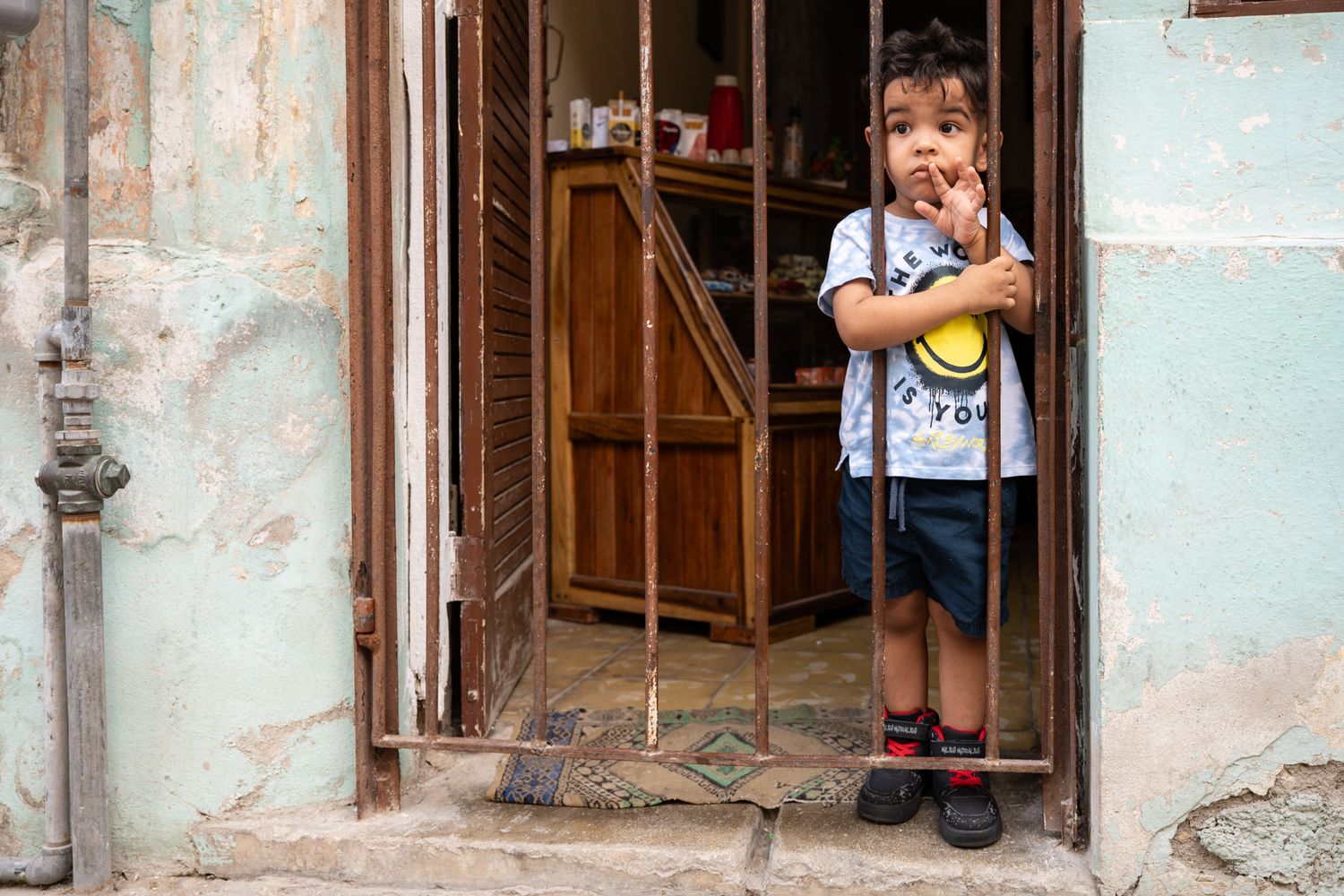
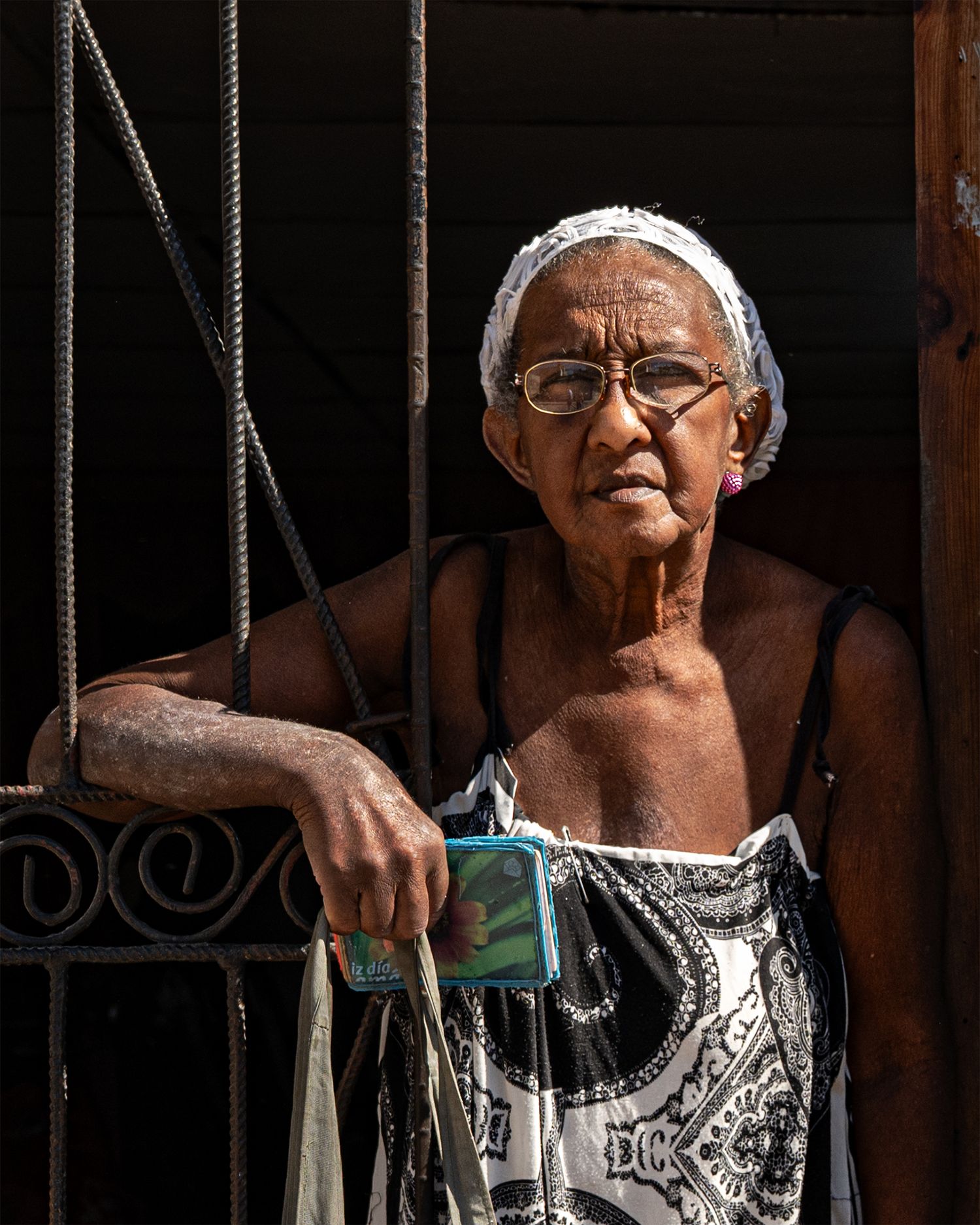
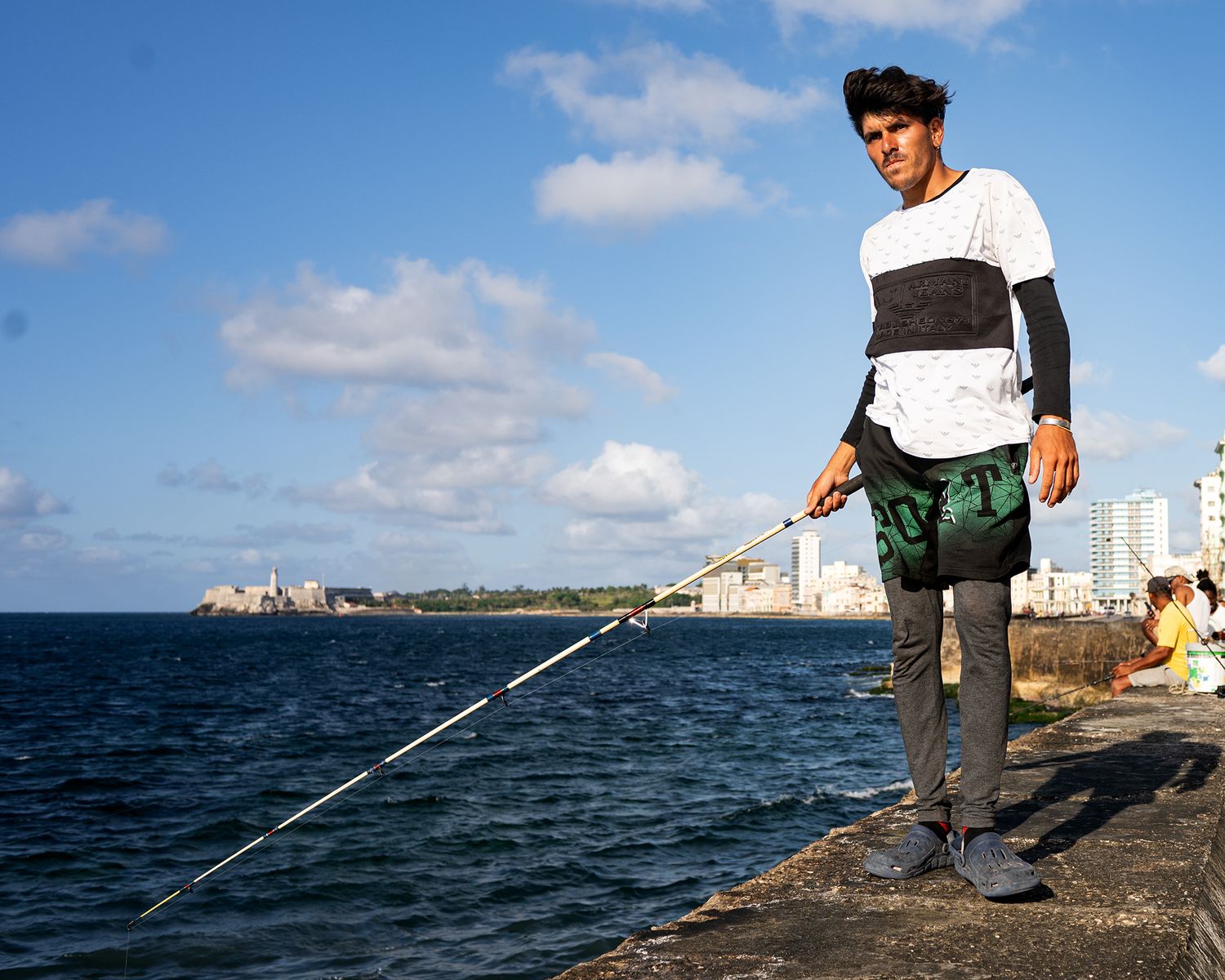
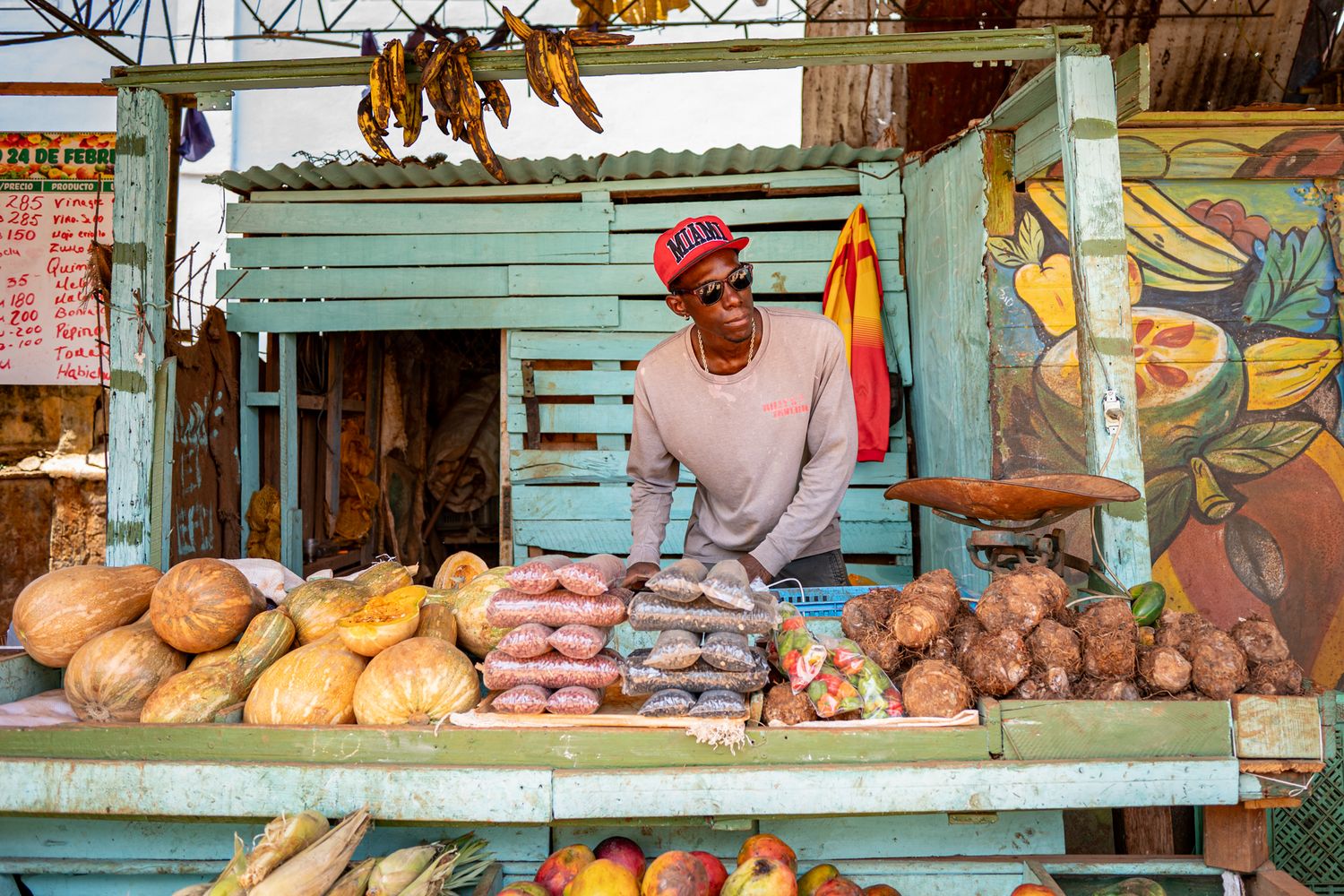
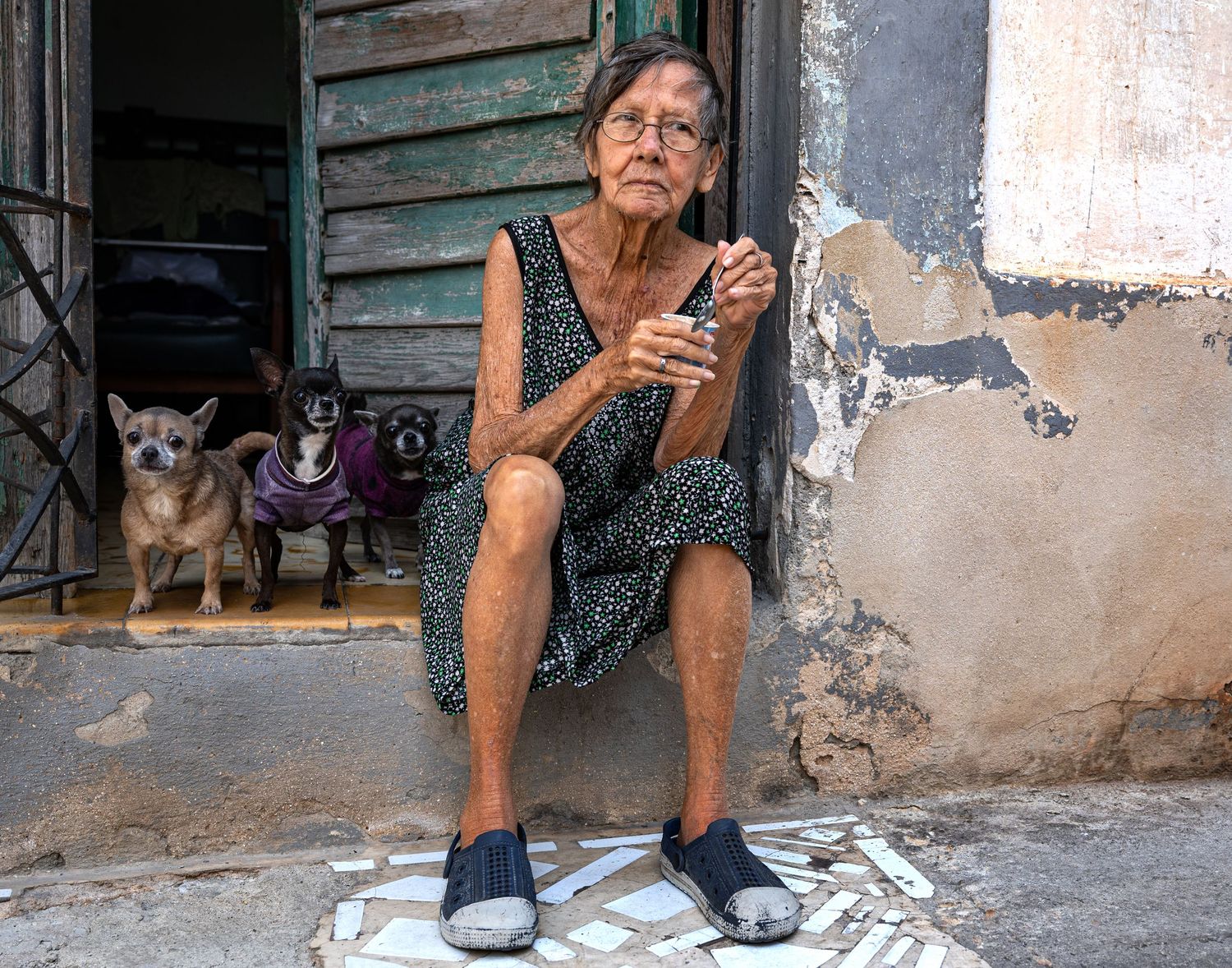
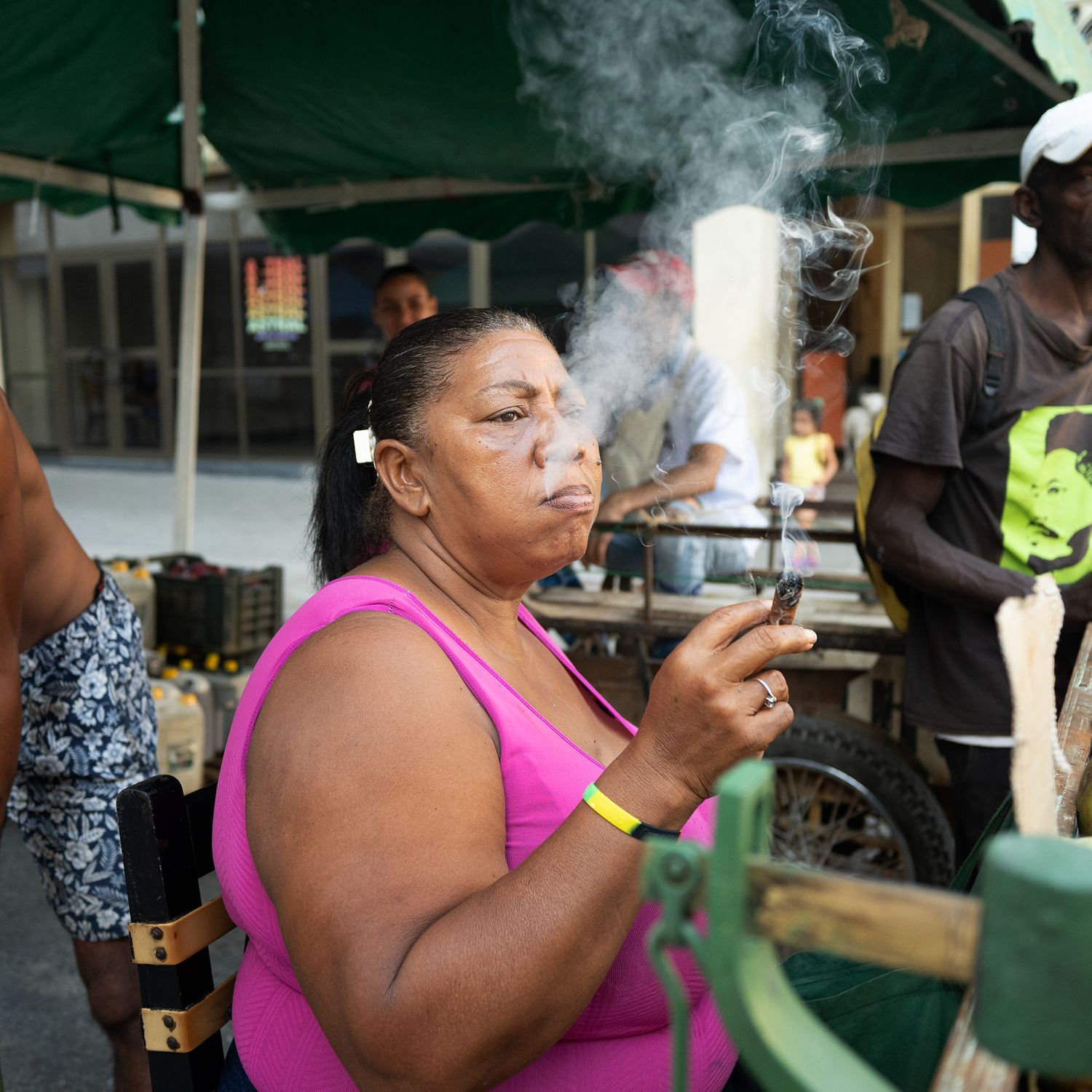
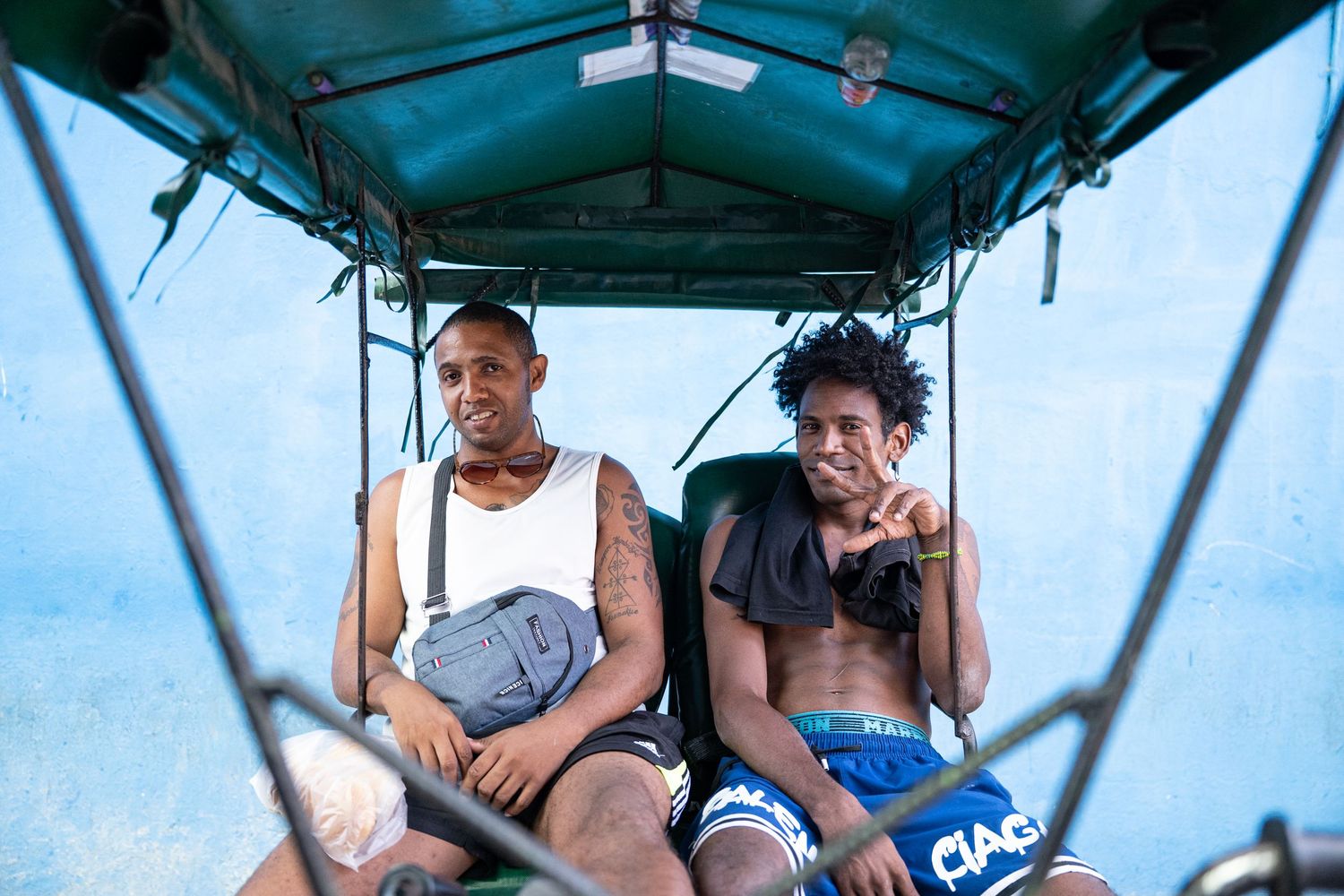
The conditions in Cuba are challenging. I immediately discovered how unstable the power grid is while waiting to go through passport control at the airport. On top of rolling power outages throughout the country, the power is generally unstable and can be out for days. People who can afford a generator have them handy. Most people sit outside during the day. The once colorful buildings and houses are in need of repair except for those who house the few visitors. The number of visitors in Cuba has fallen drastically in recent years. The ones I saw were generally from South American countries. I never heard another English speaking voice.
May Day
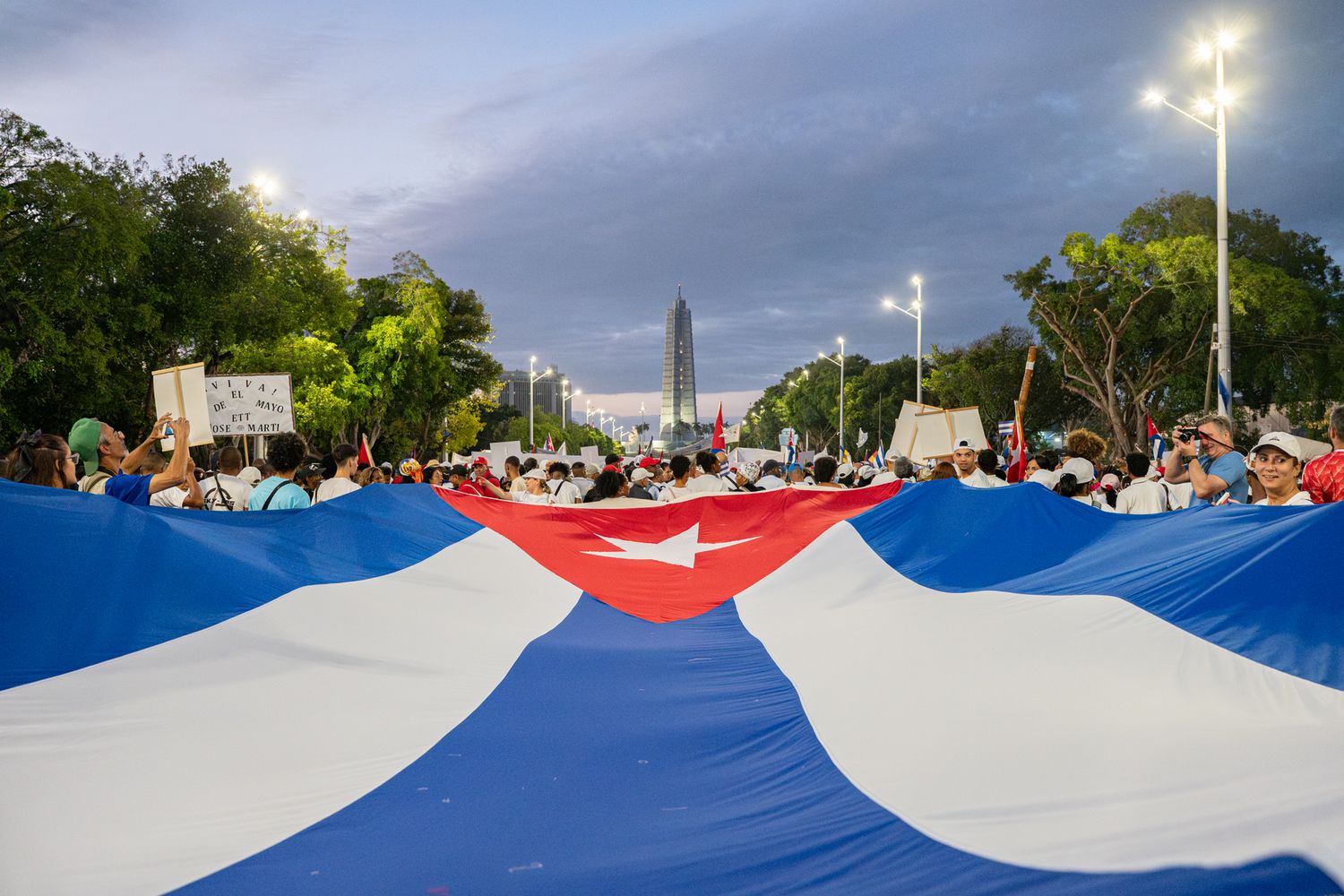
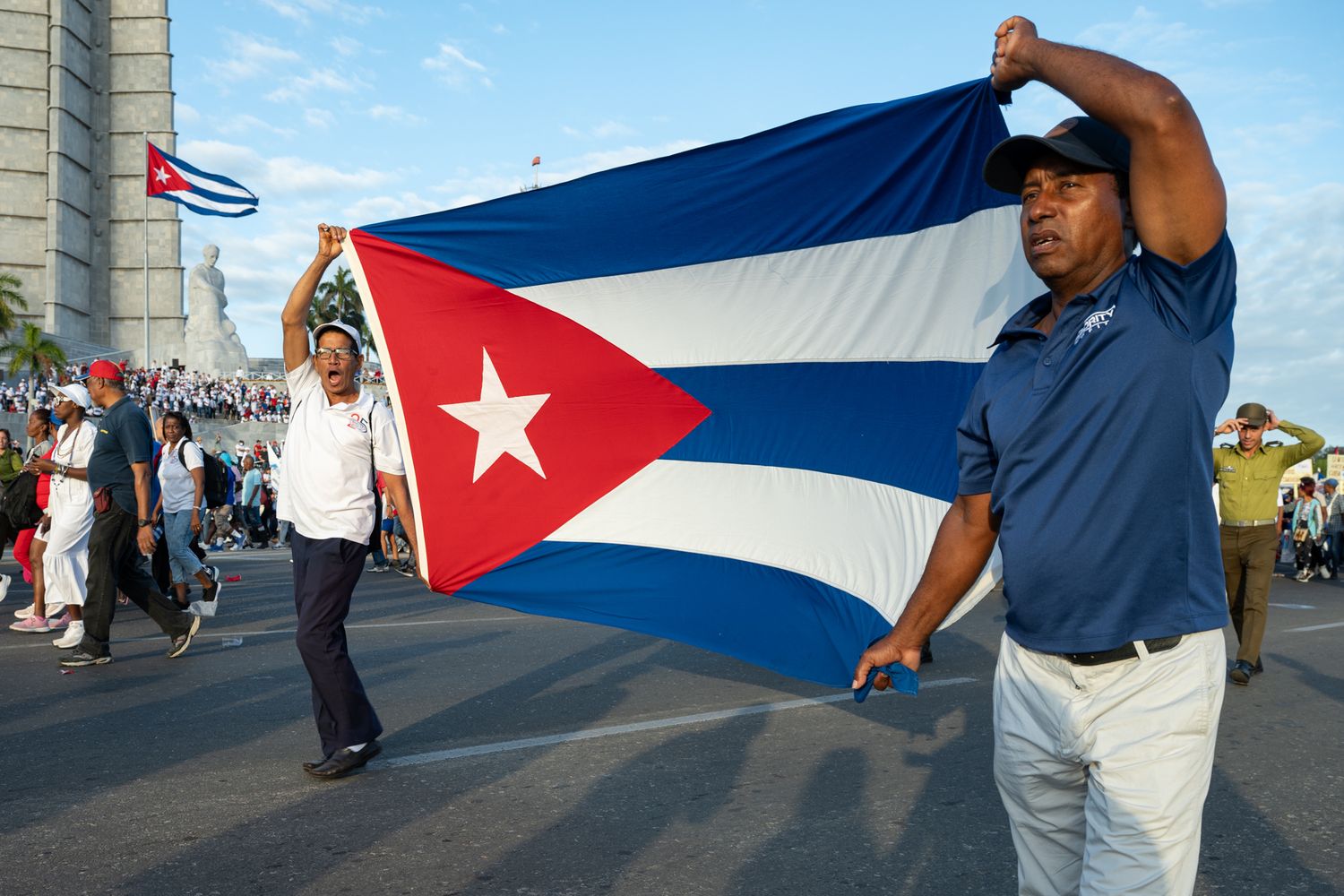
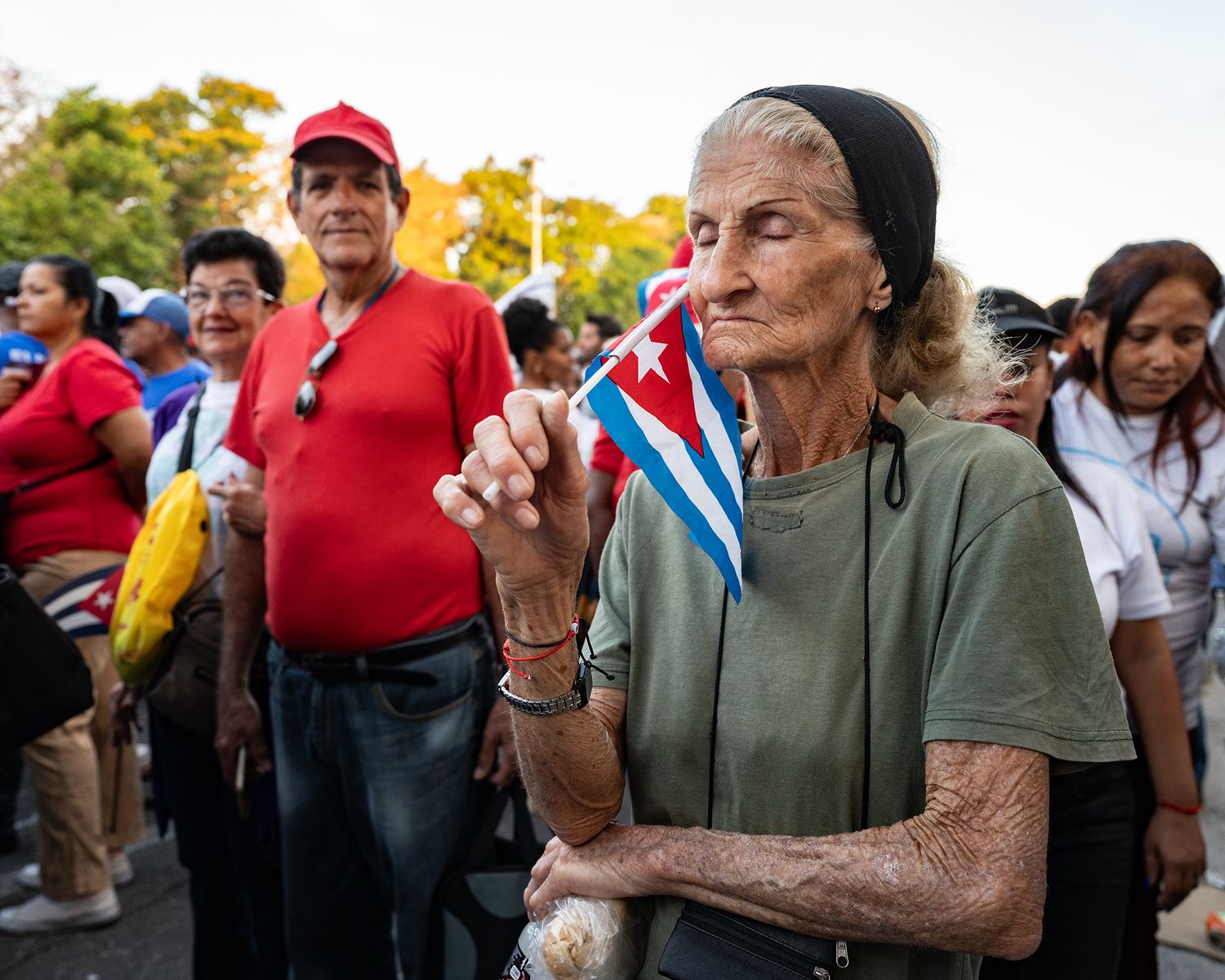
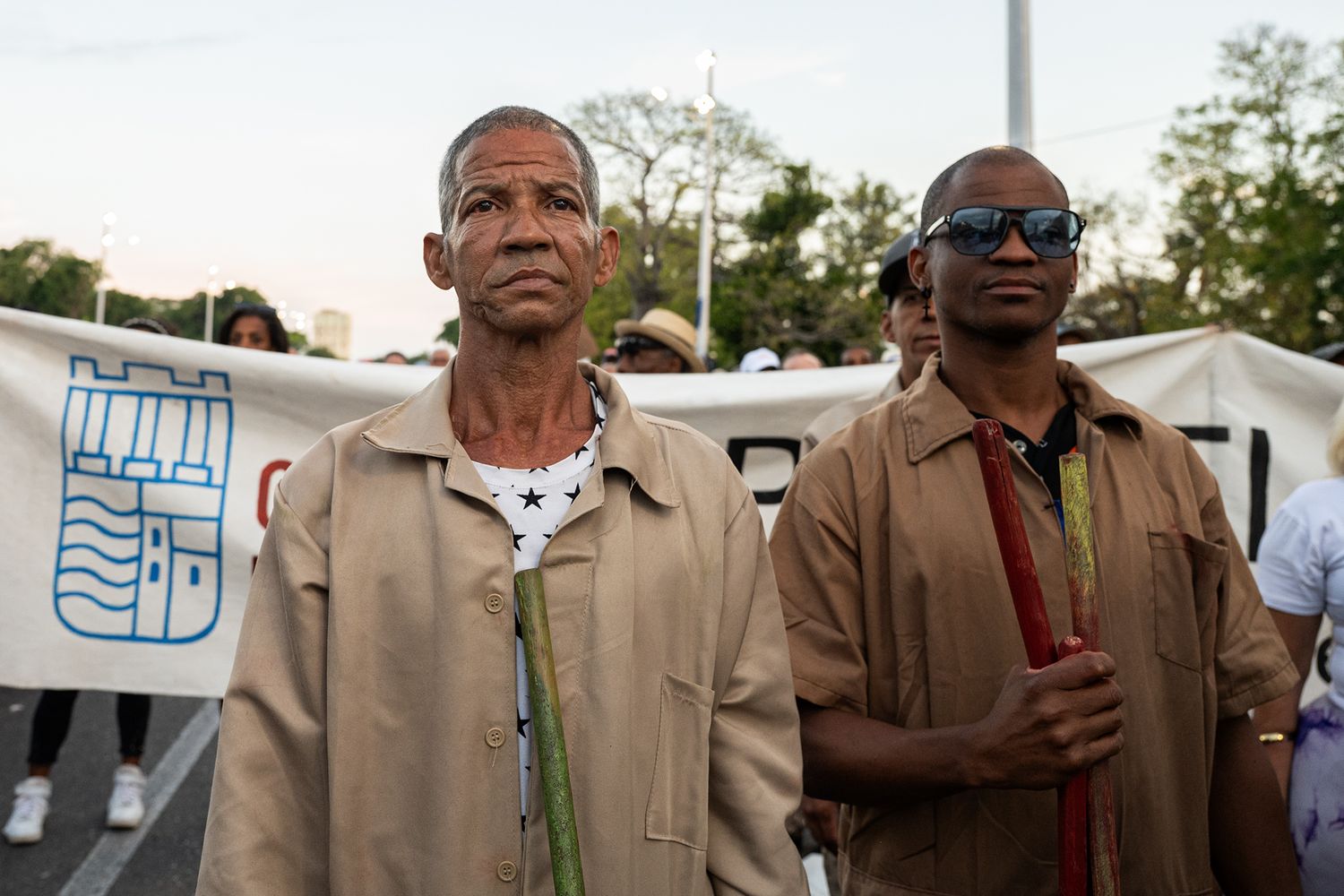
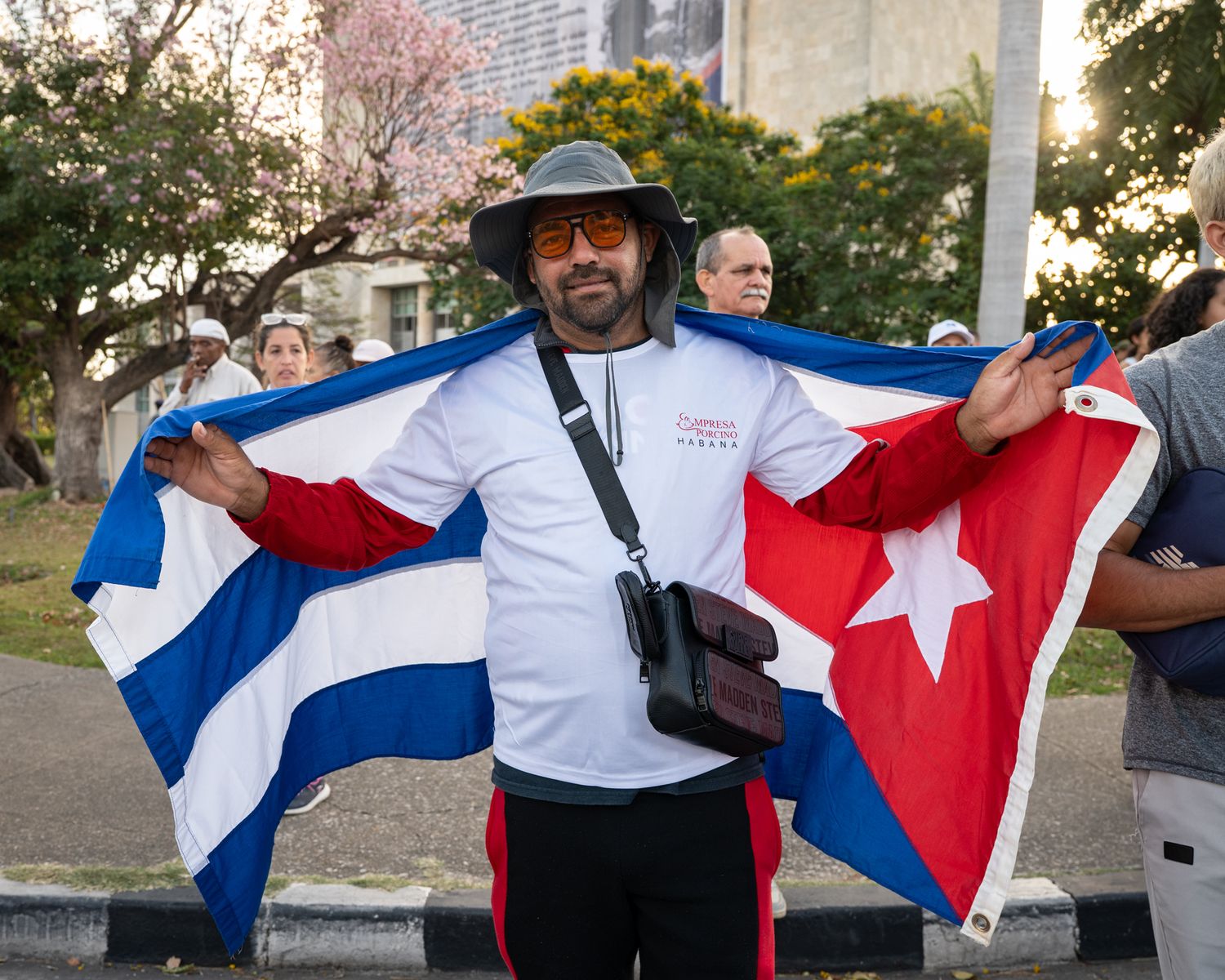
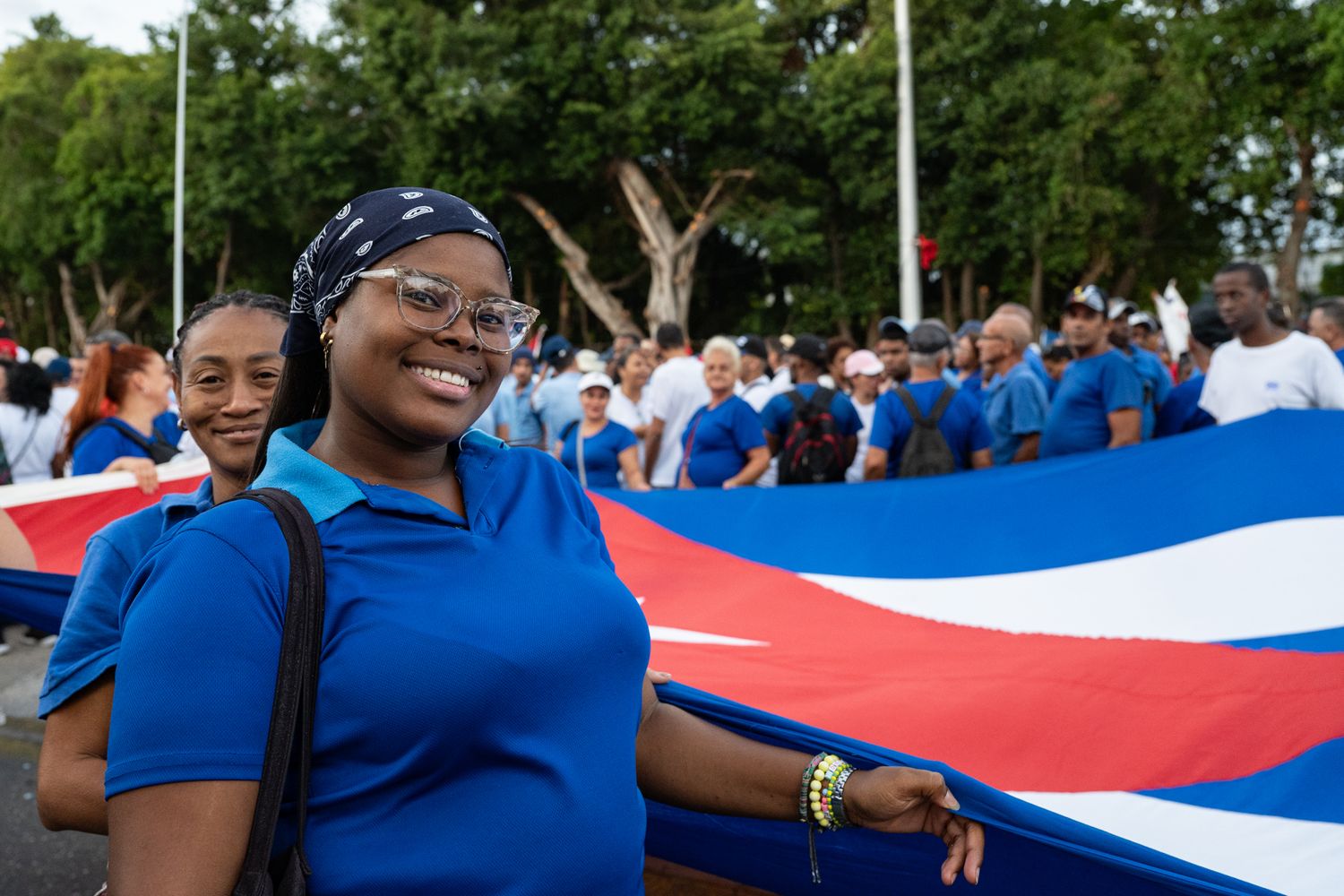
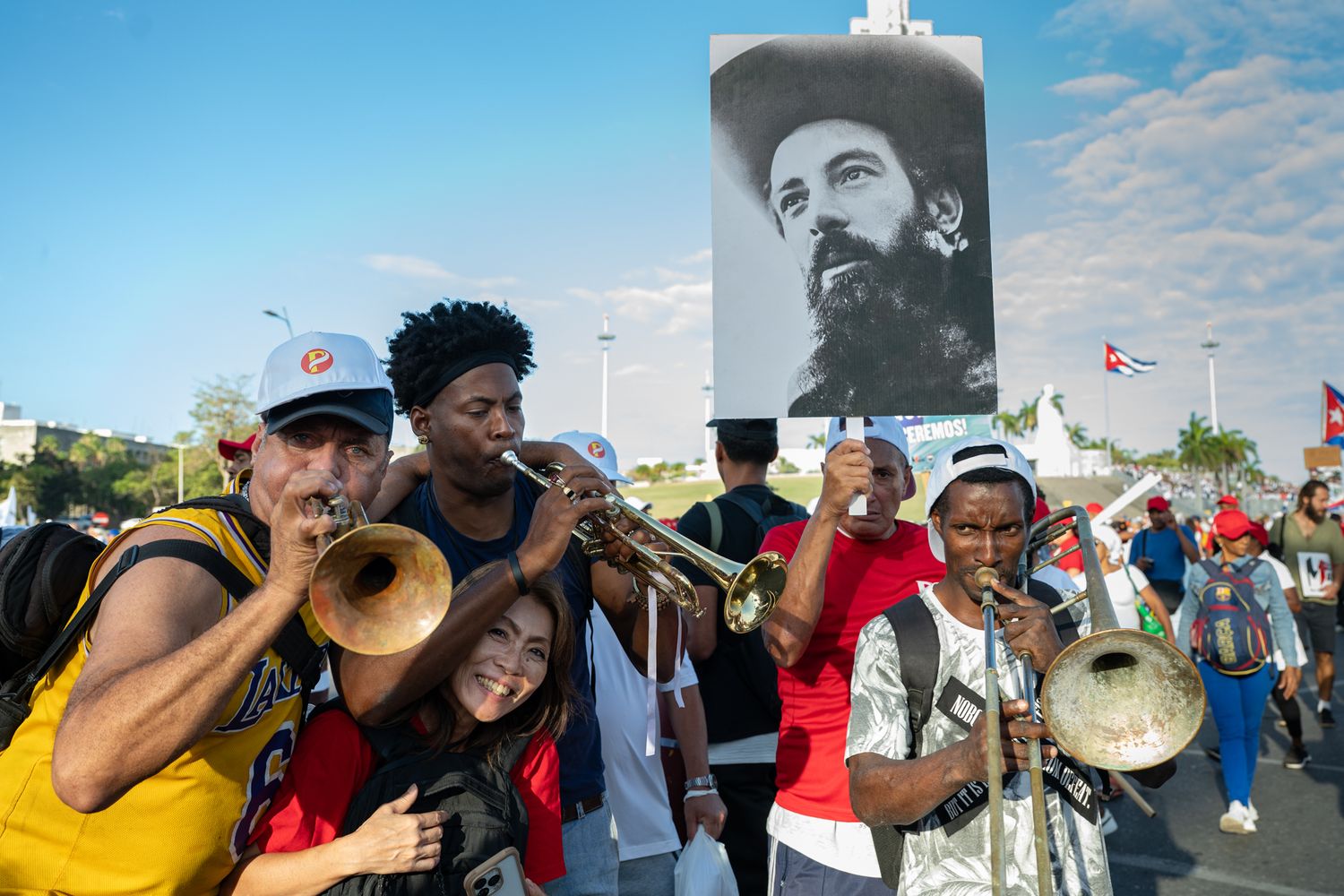
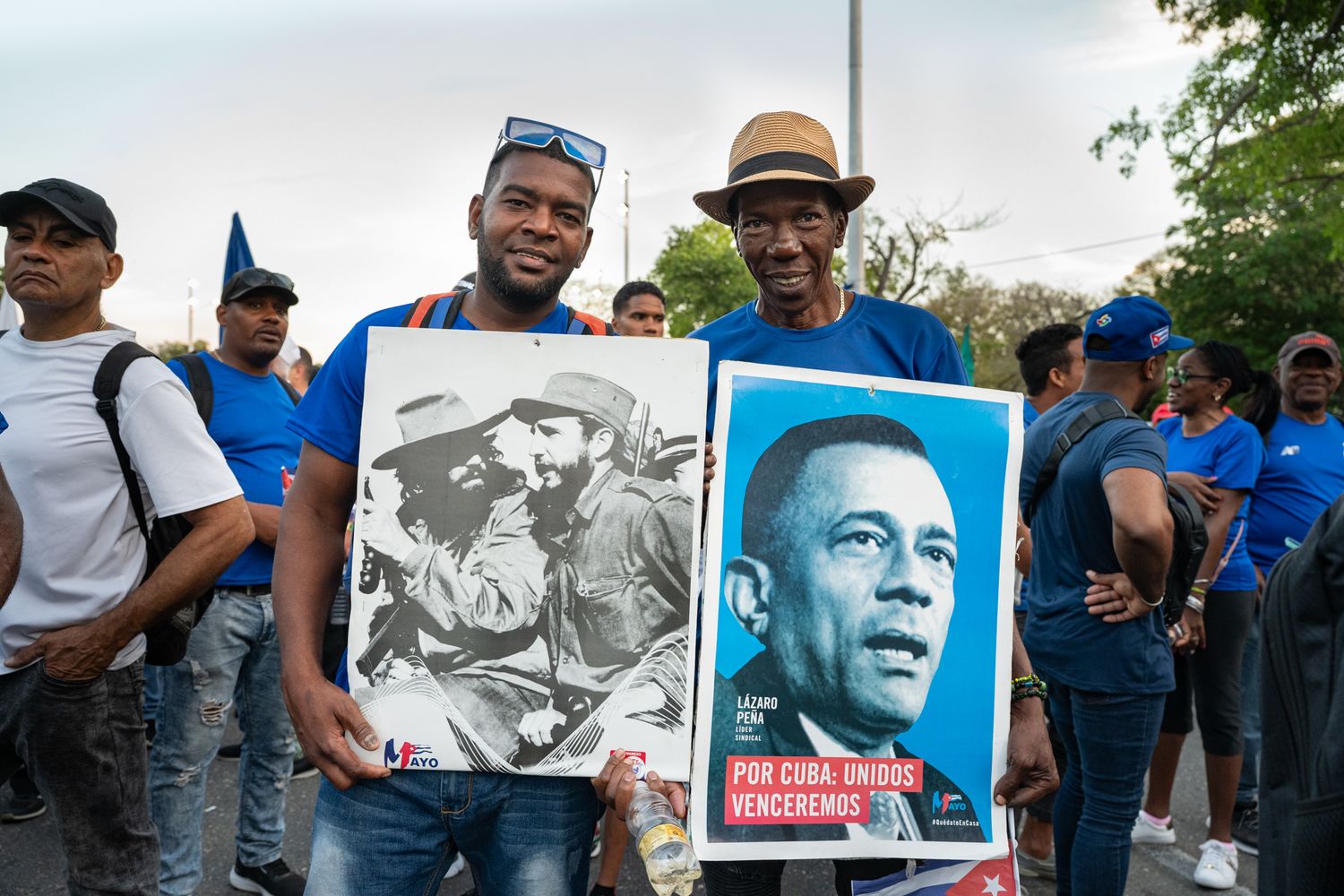
2025 was the largest May Day parade Havana had seen since pre-pandemic years. Thousands of people came out before dawn to line up and walk toward the Revolution Plaza where the elderly Raul Castro joined the current president, Miguel Diaz-Canal to preside. Cubans are proud and happy people. The festive atmosphere was contagious.
Vinales Valley
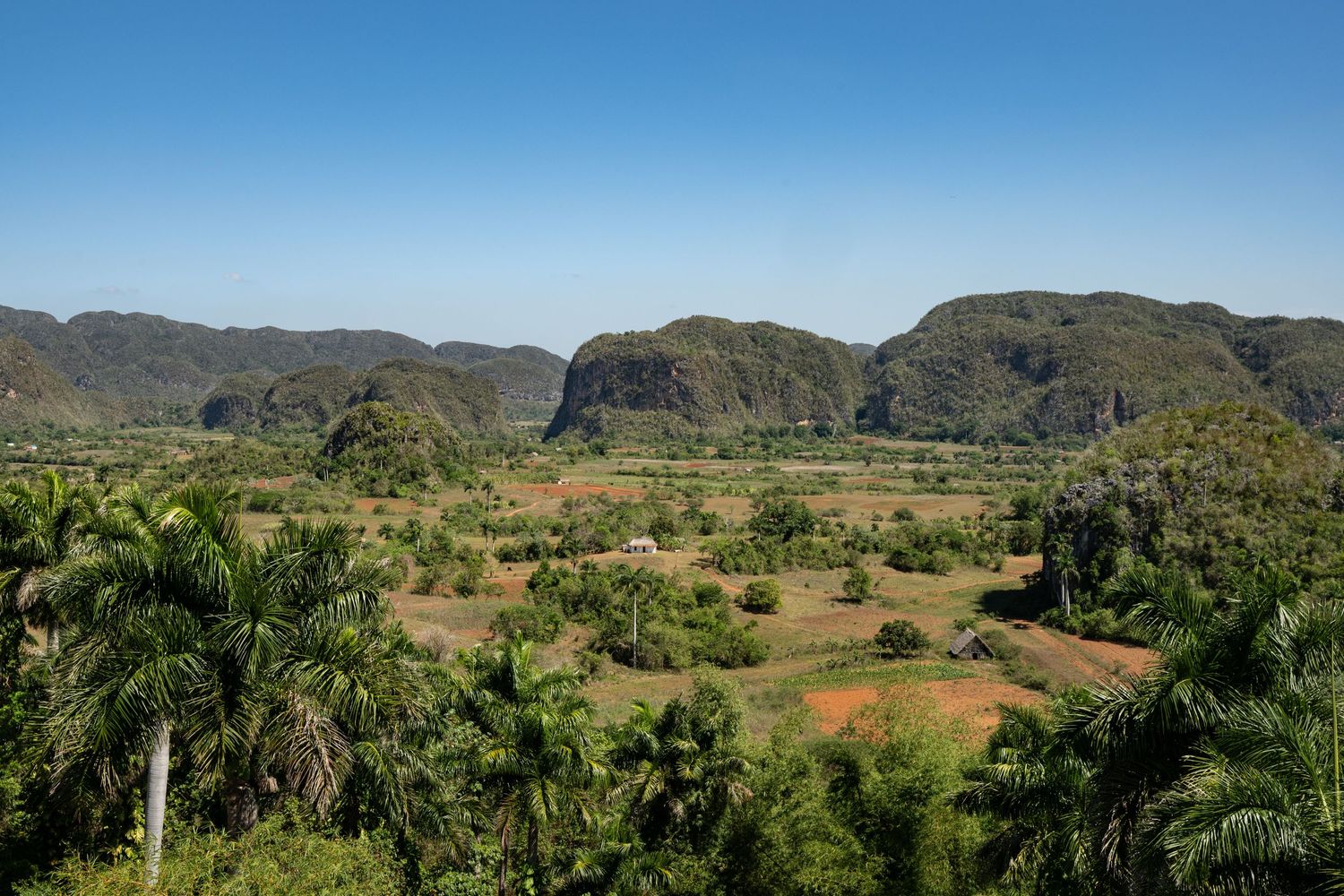
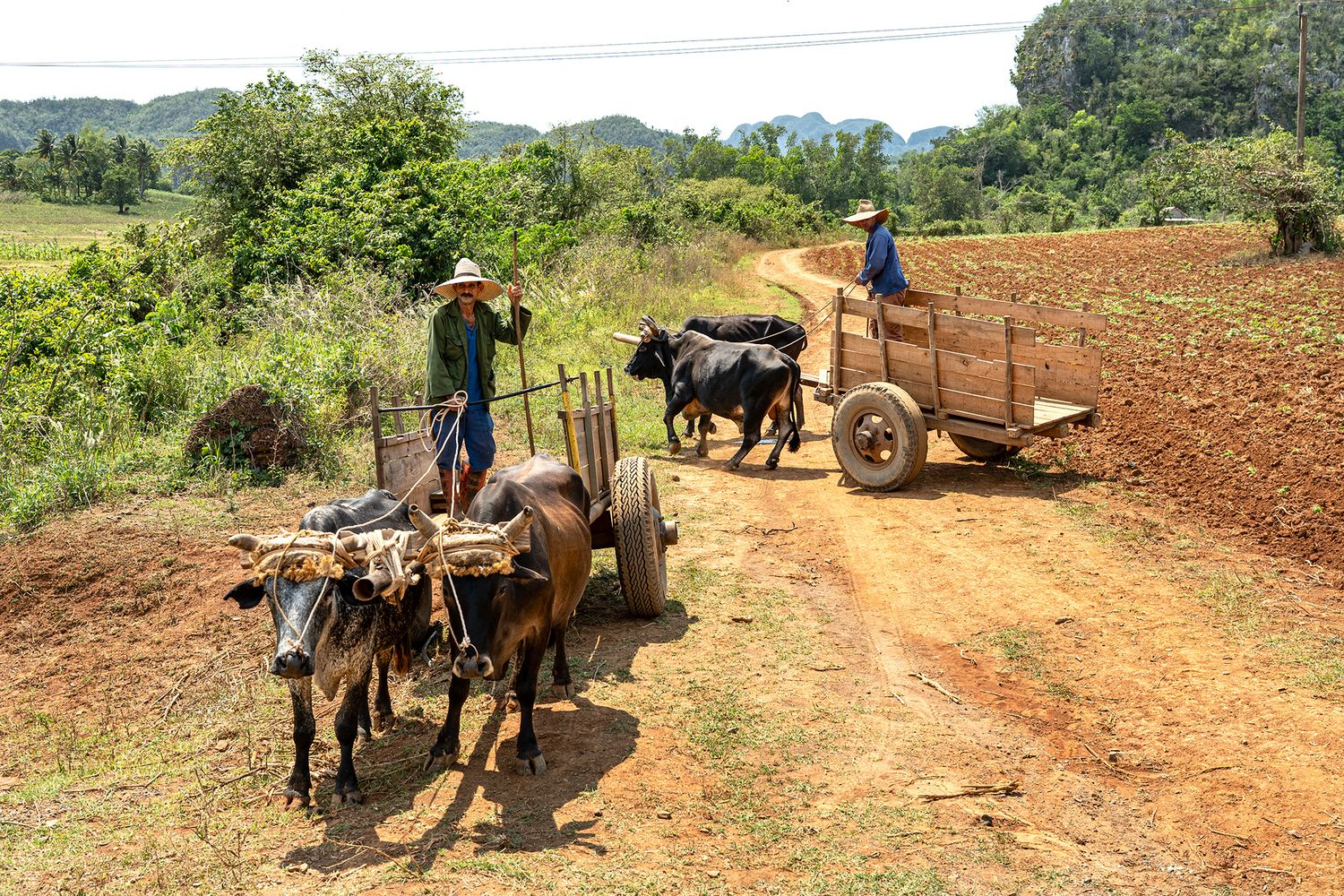
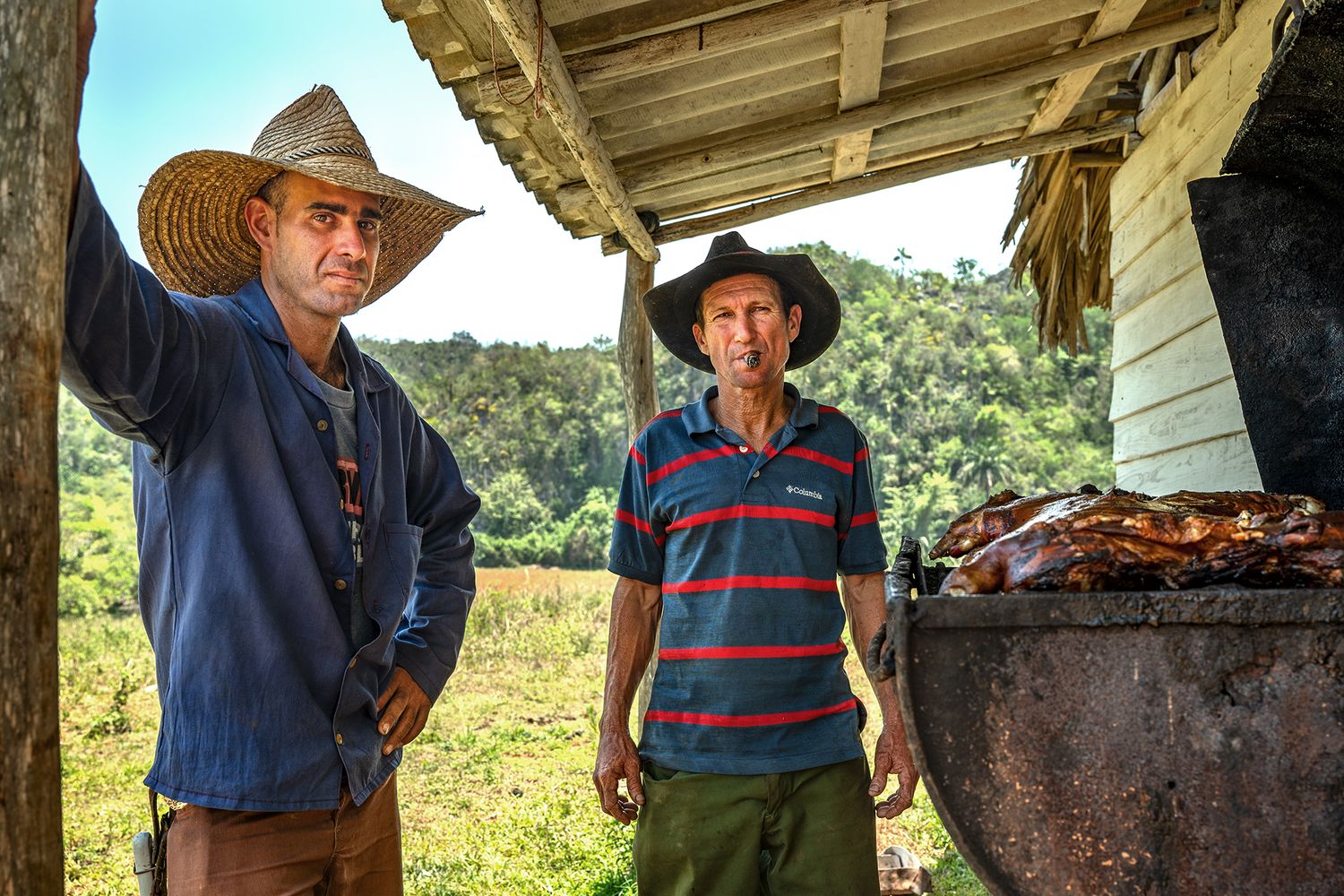
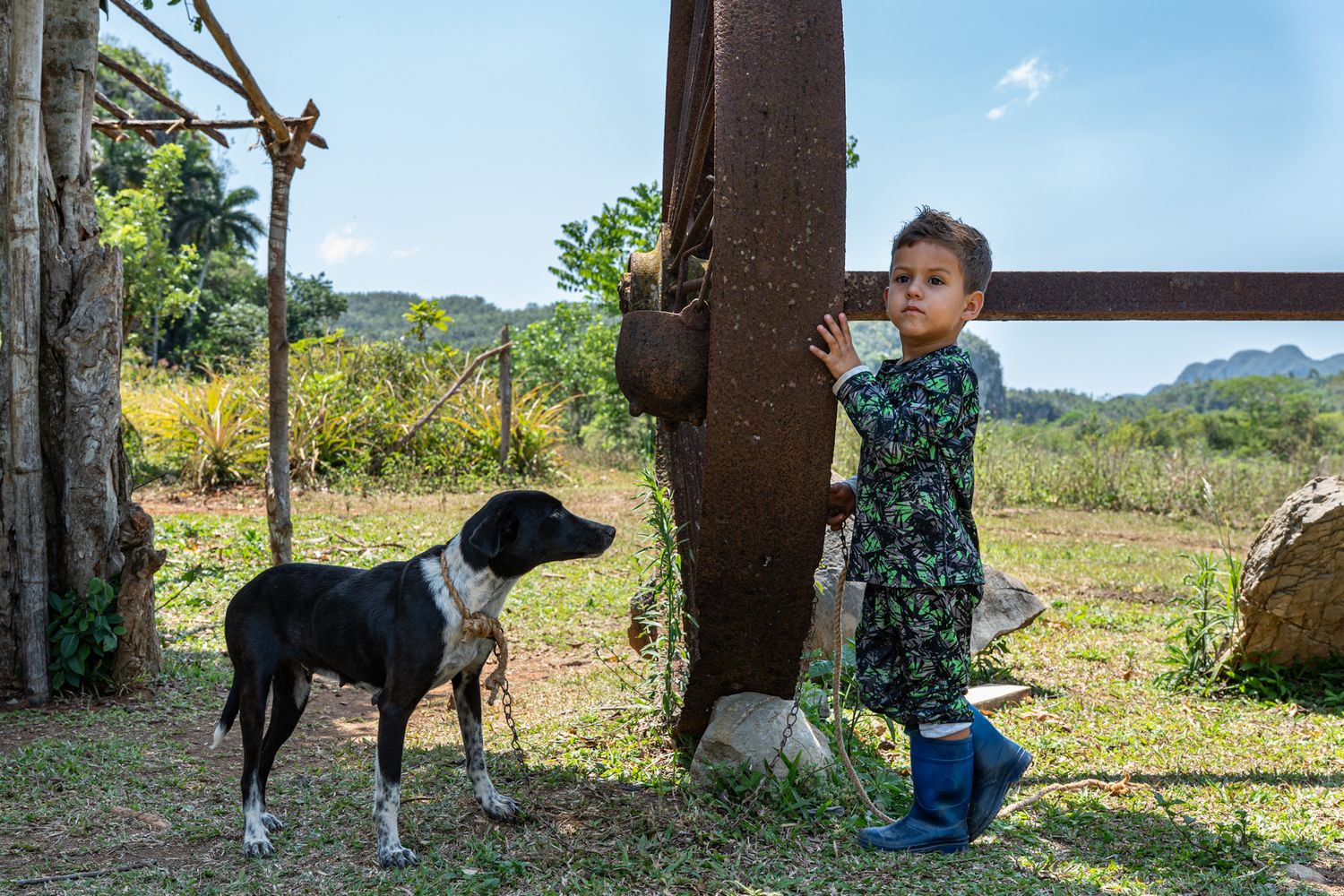
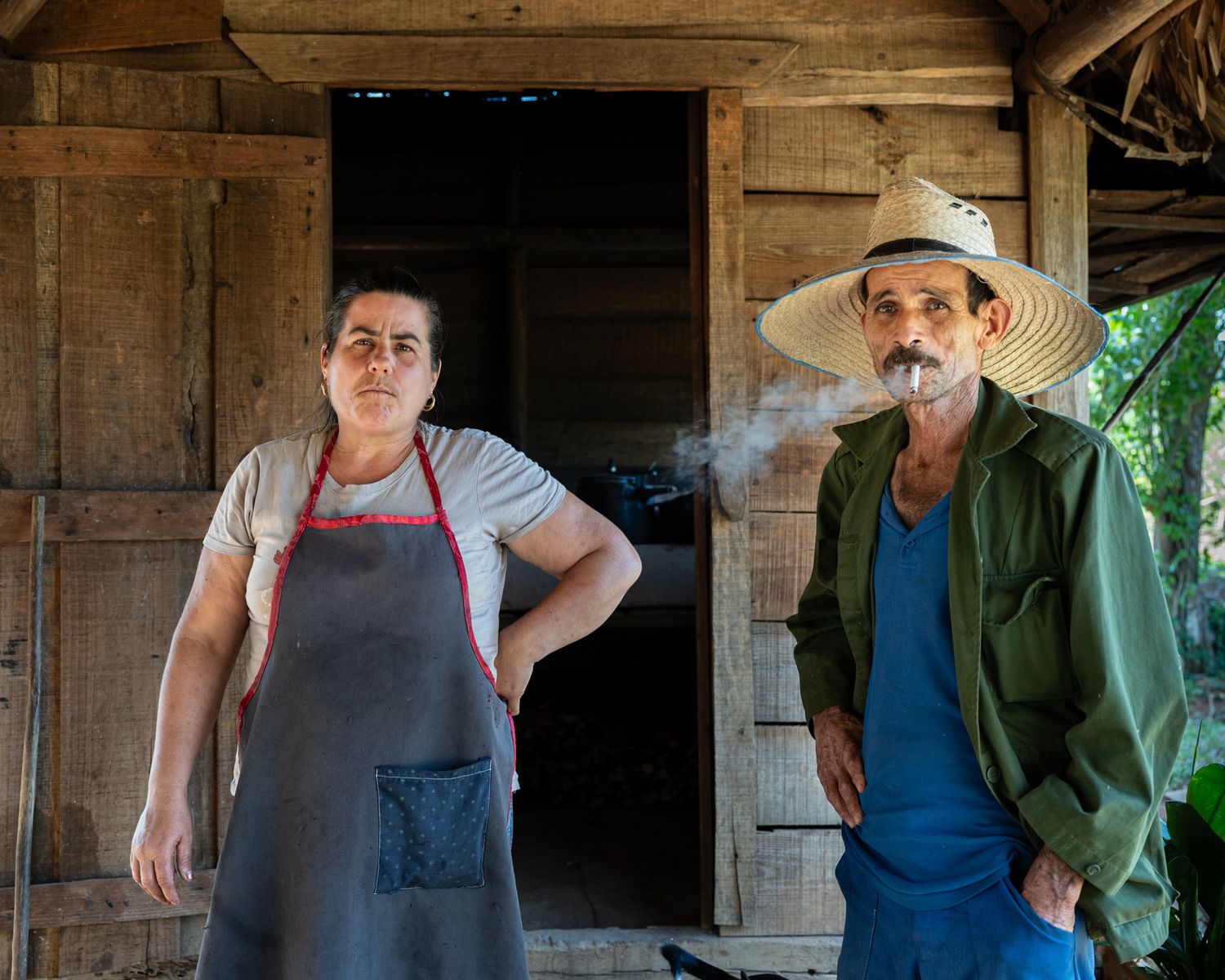
In the western end of Cuba sits the Vinales Valley. The valley is surrounded by rounded hills with primarily tobacco farms. The electricity had not been on for days with no estimate on when it would be. The back roads were full of potholes and to get to the farm itself was by oxen carts.
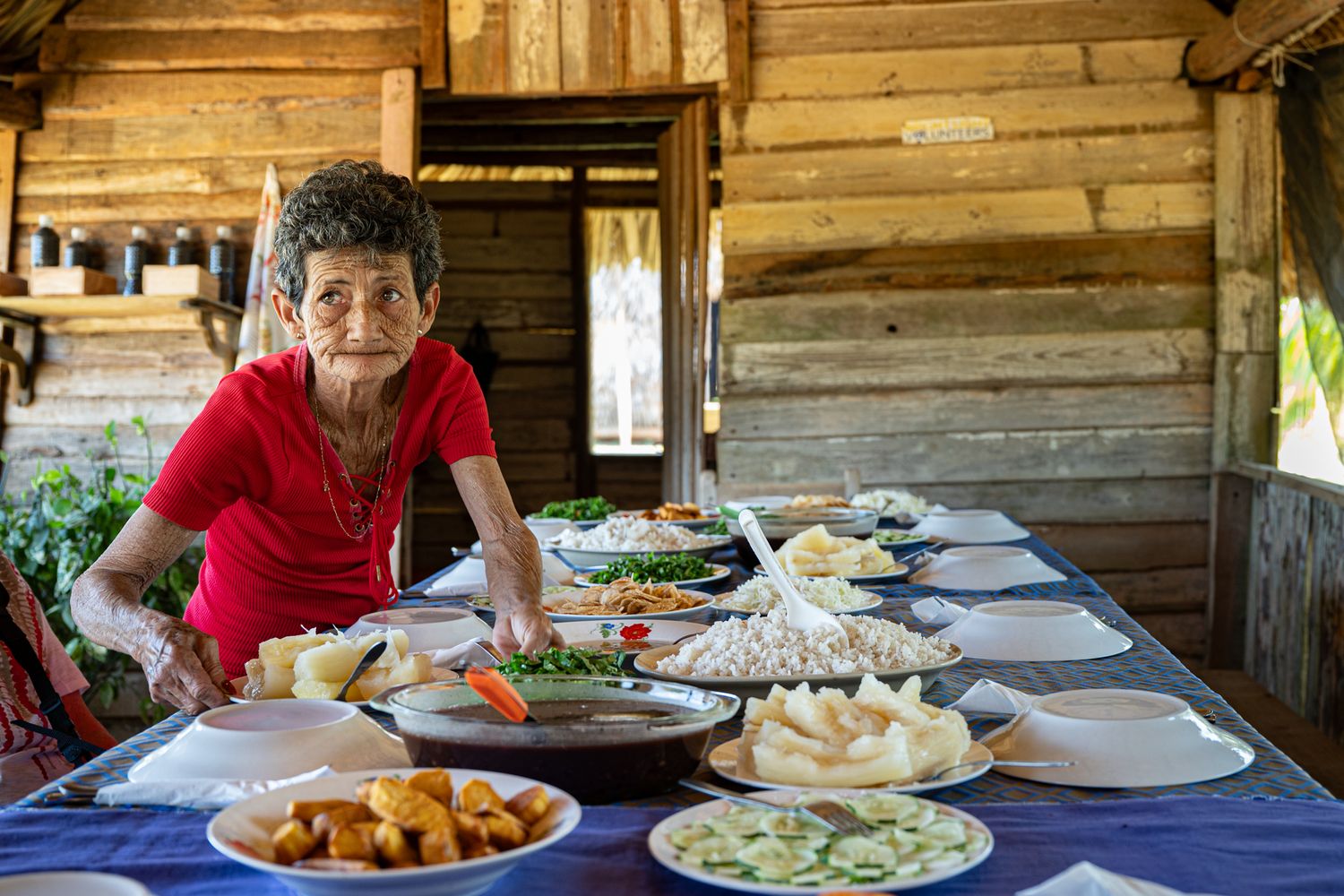
A friendly family was the host. They cooked a pig with various fresh vegetables for lunch.
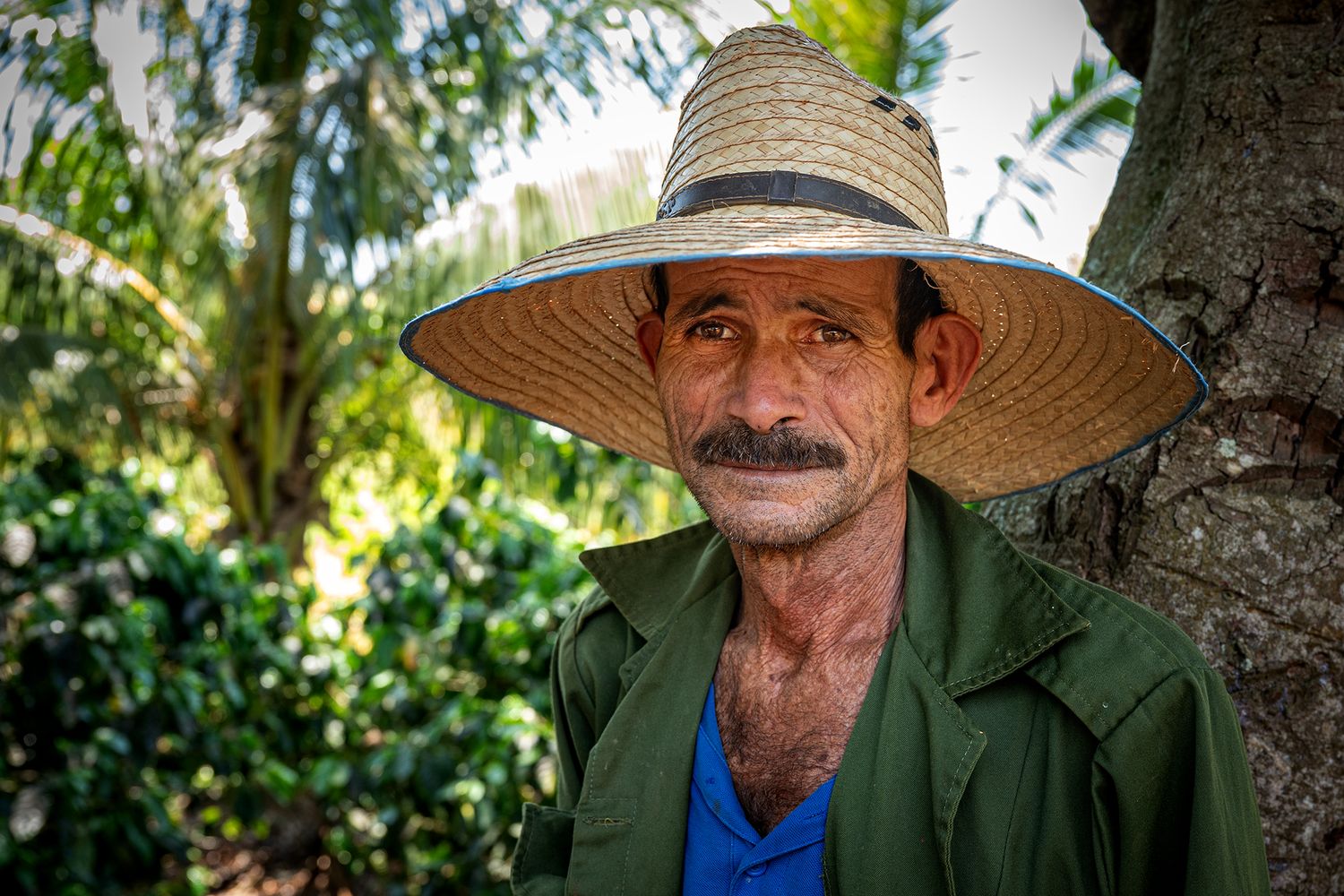
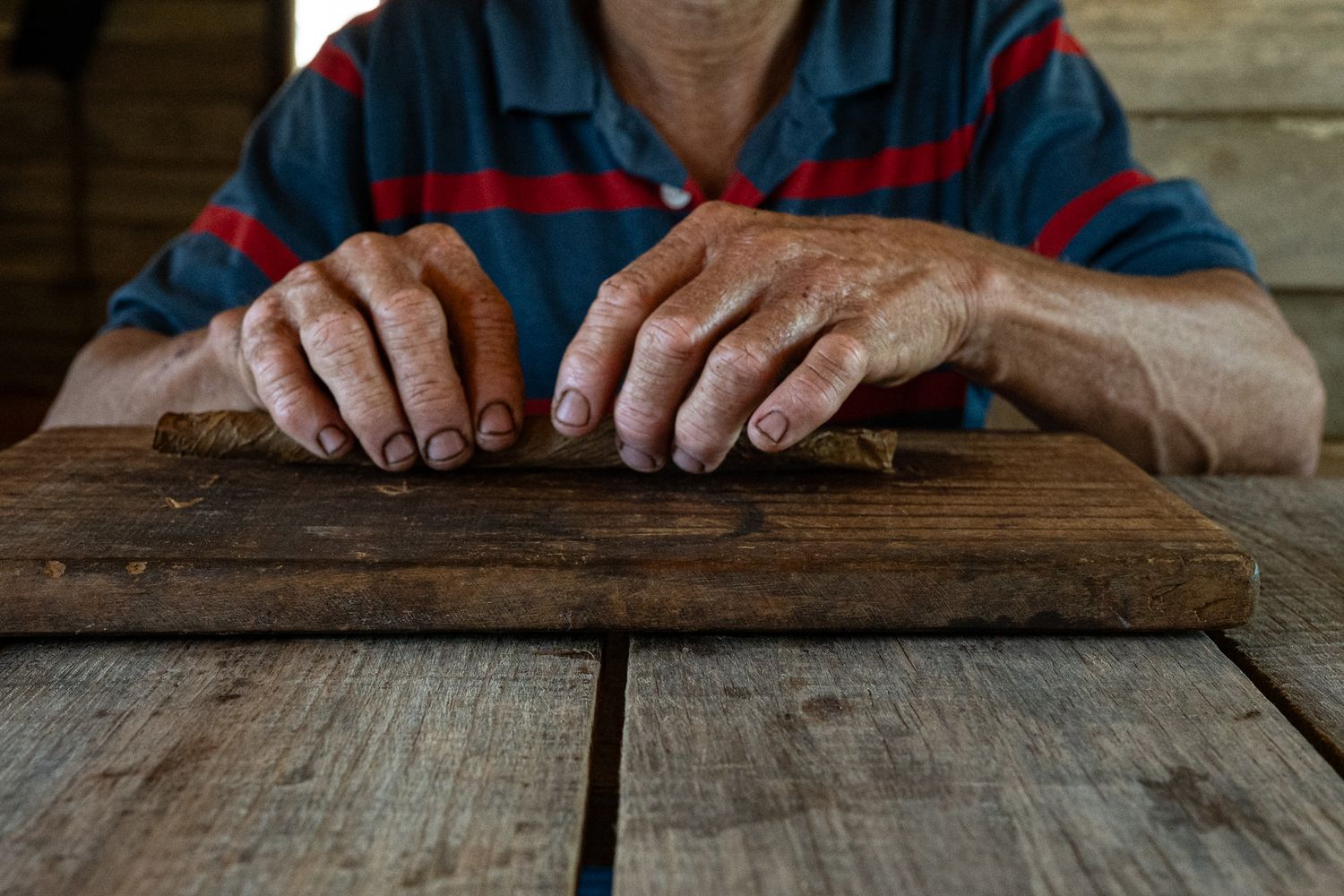
This farmer grew tobacco and coffee beans. Farmers must give 90% of the proceeds of the farm to the government. The remaining 10% they can keep for themselves or possibly sell. . Cuban coffee is very strong, dark, and definitely not Colombian. Although I had an expresso sized cup after lunch my heart immediately began to race. Apparently it's super caffeinated too.
Dance
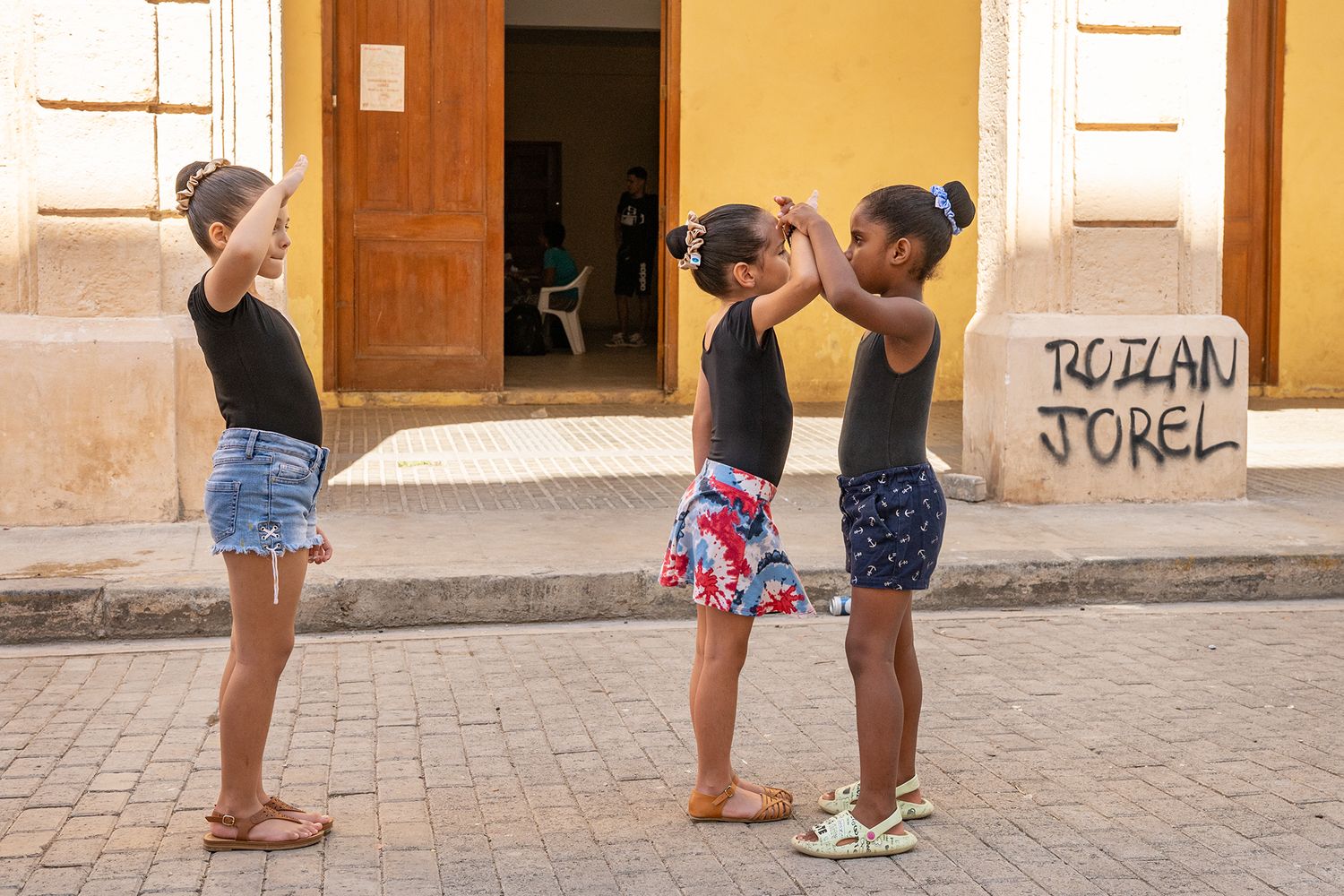
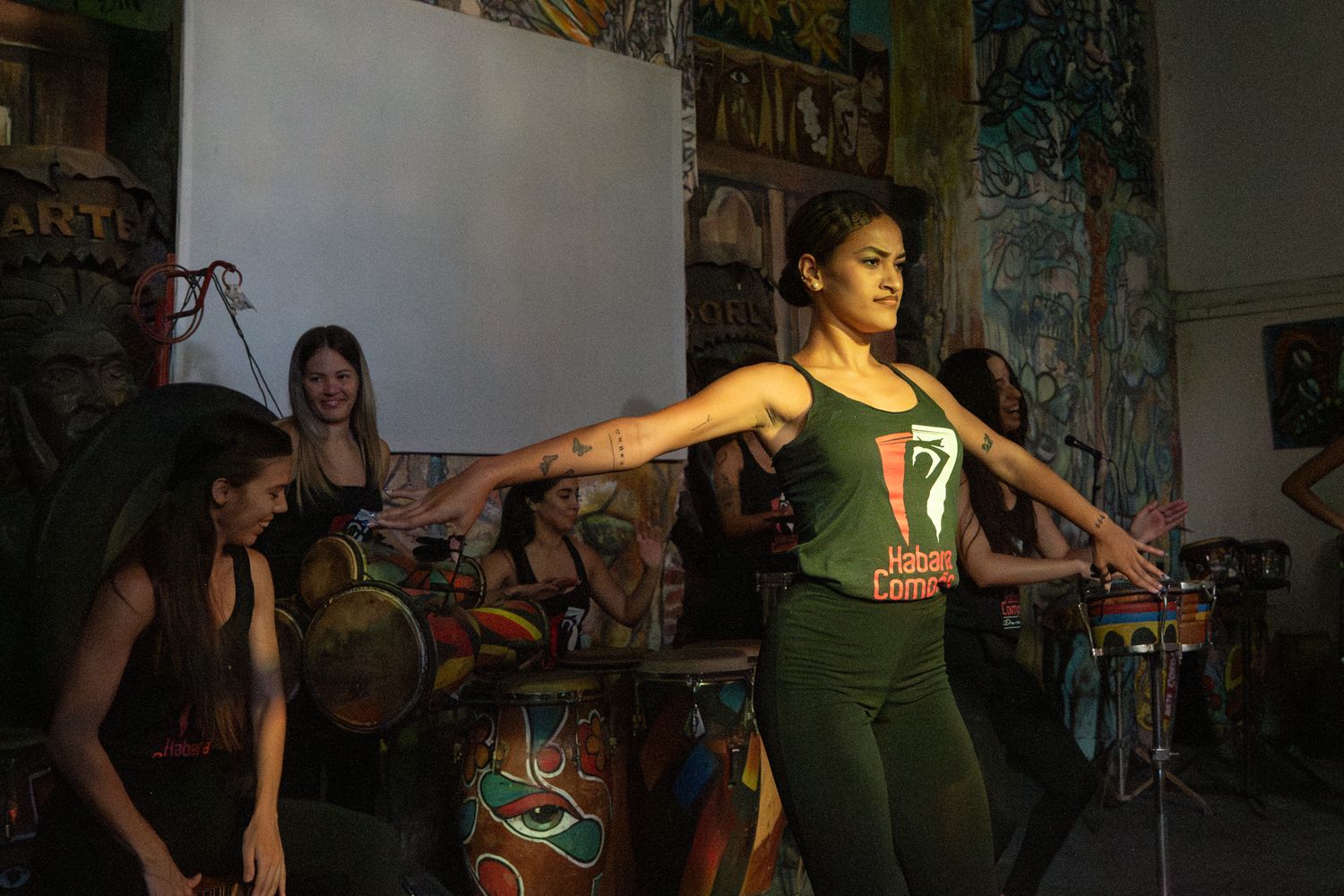
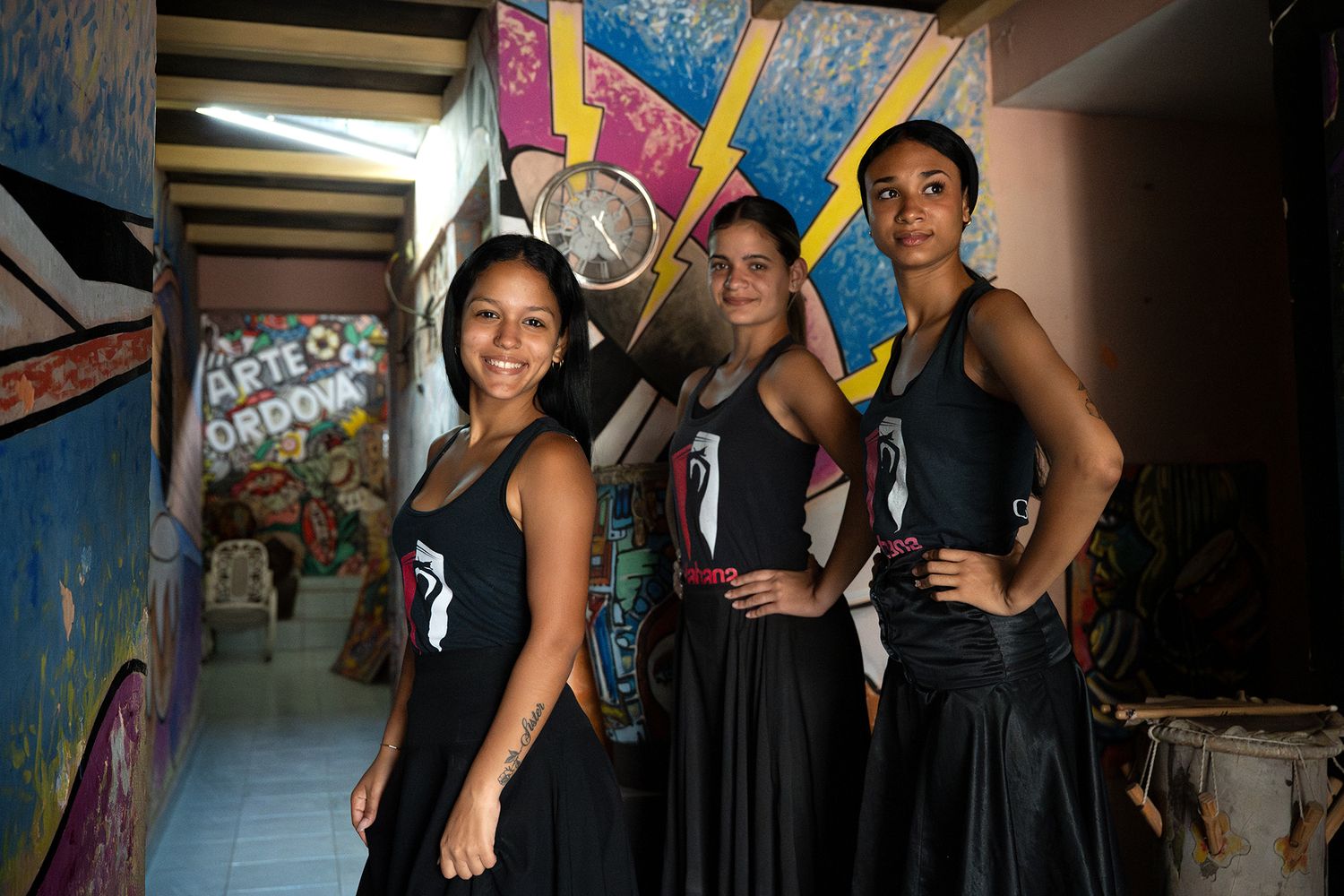
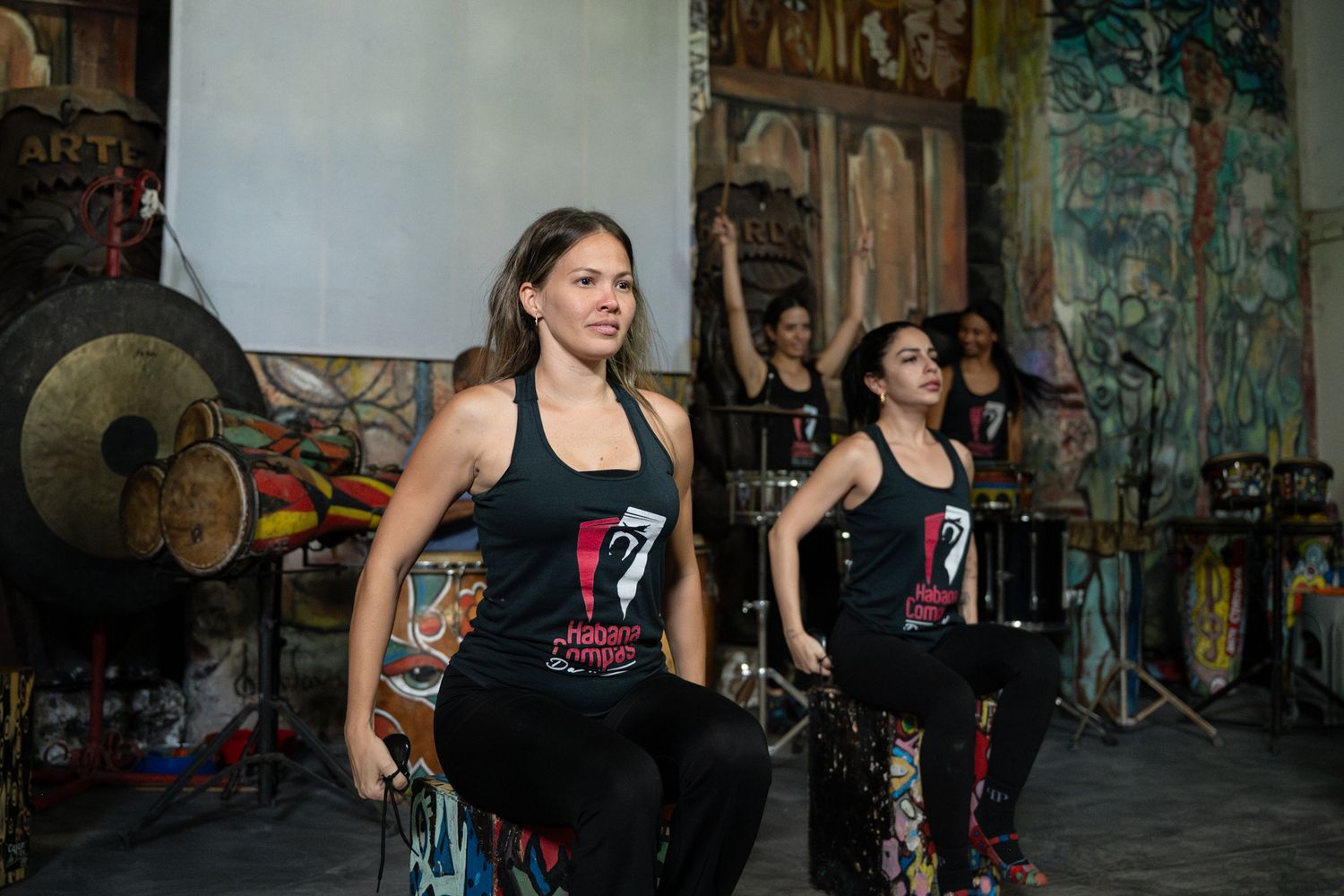
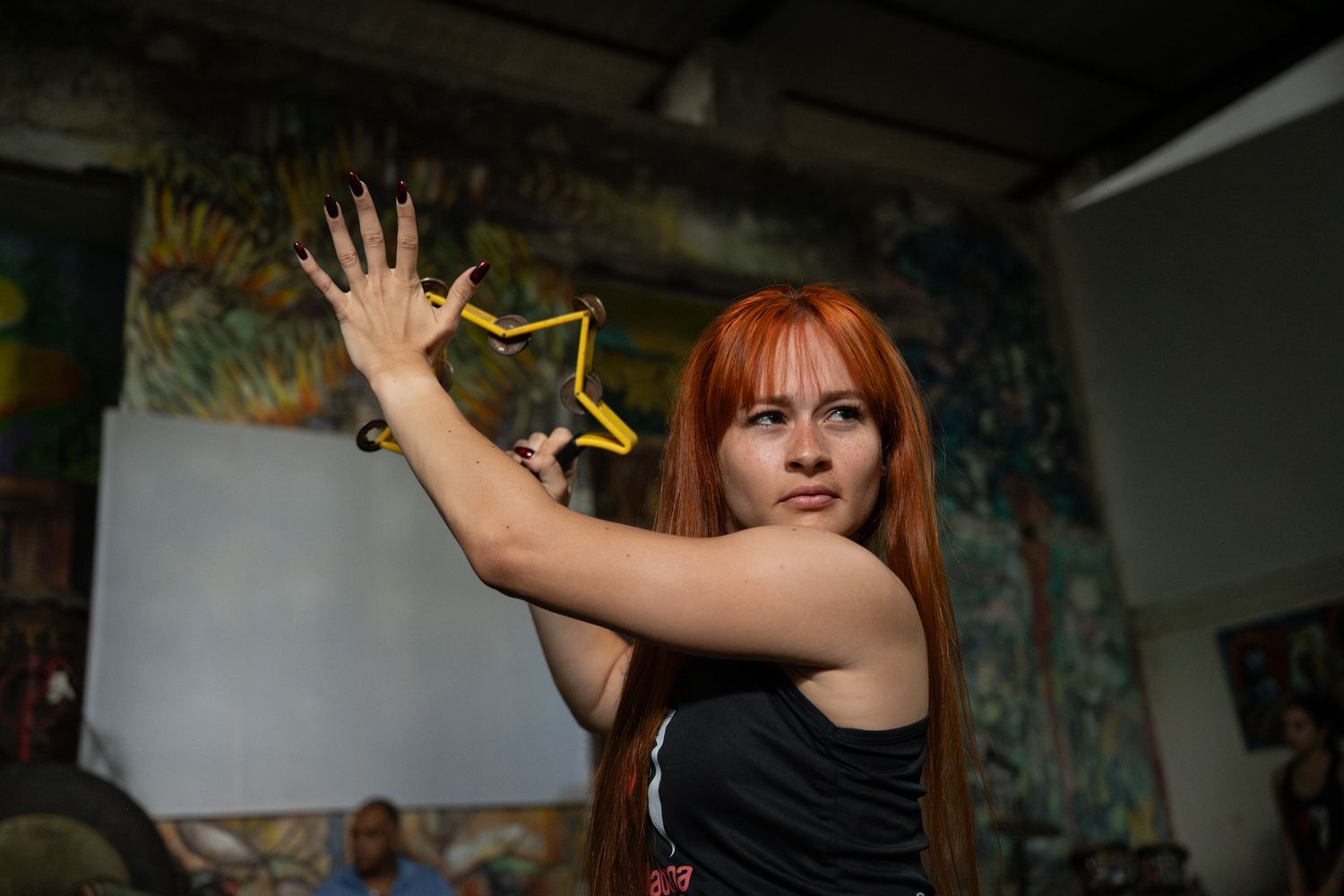
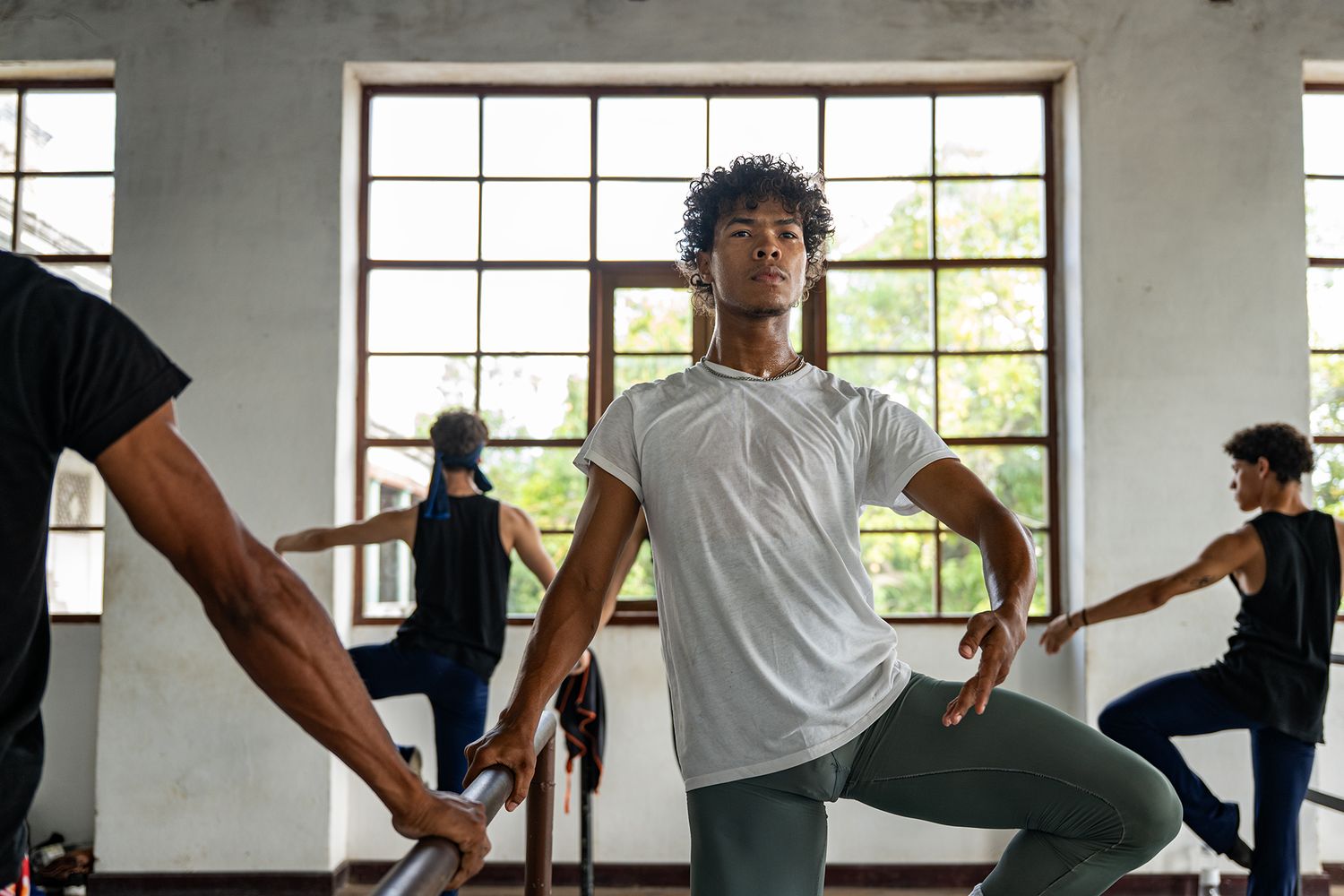
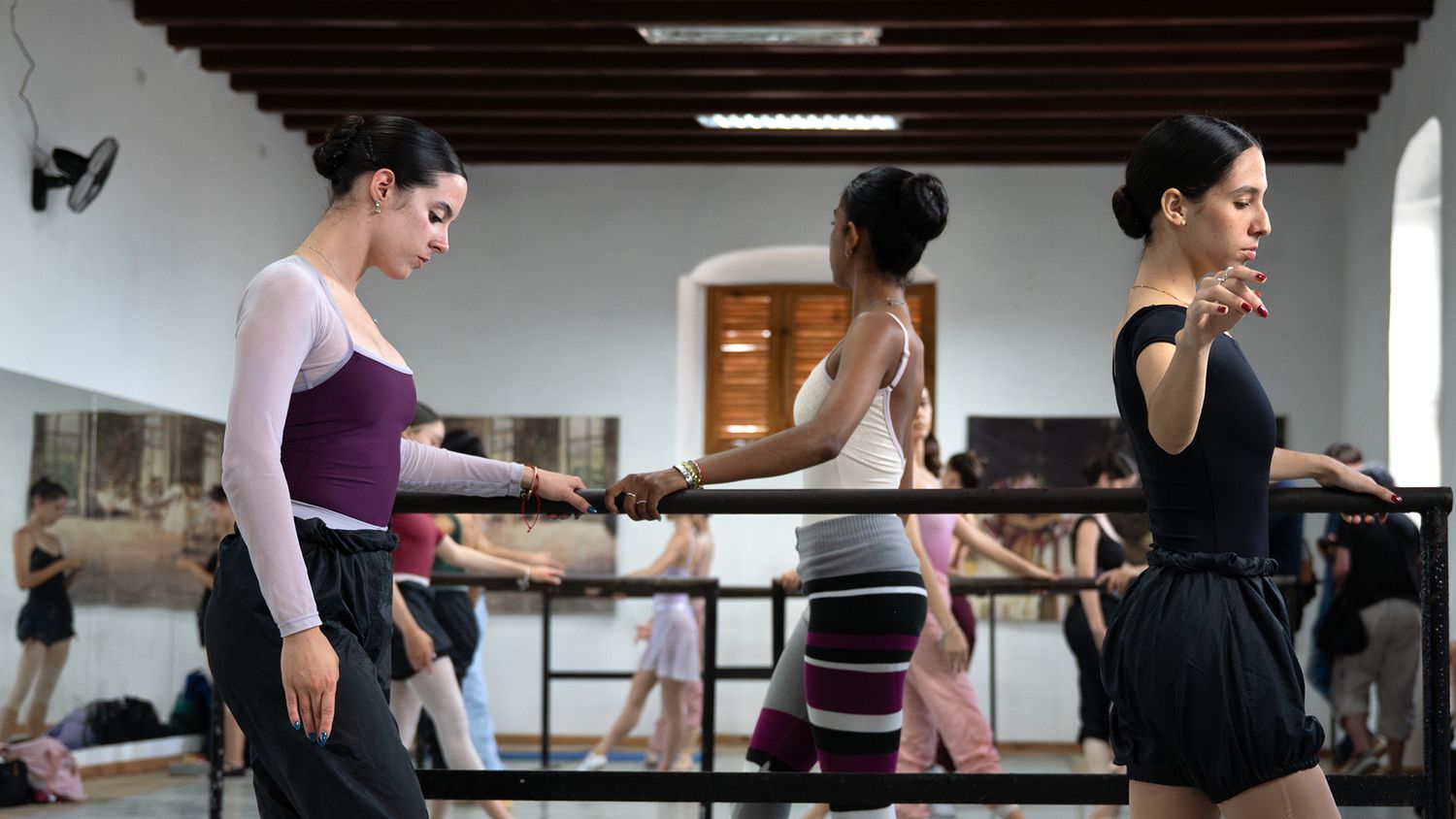
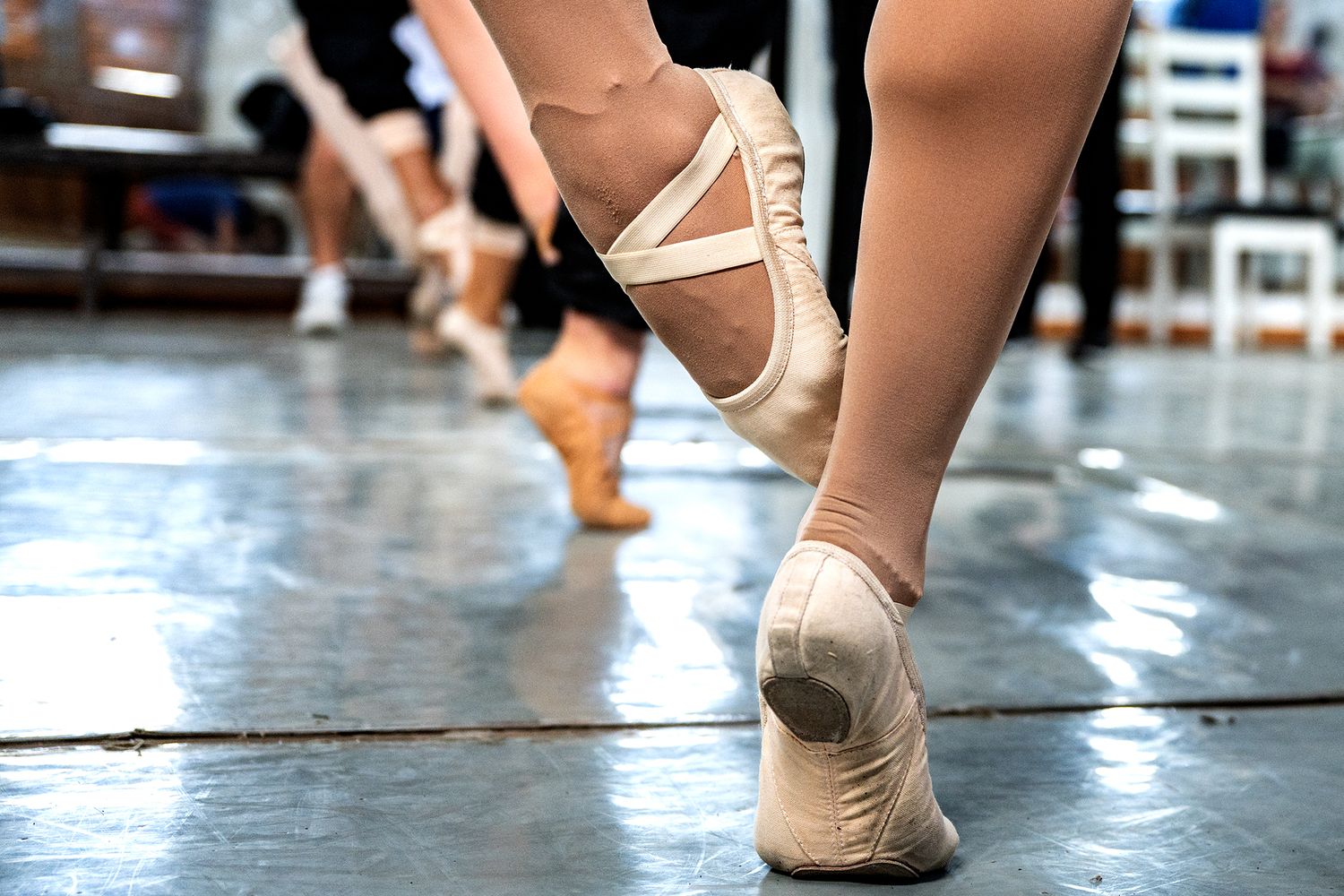
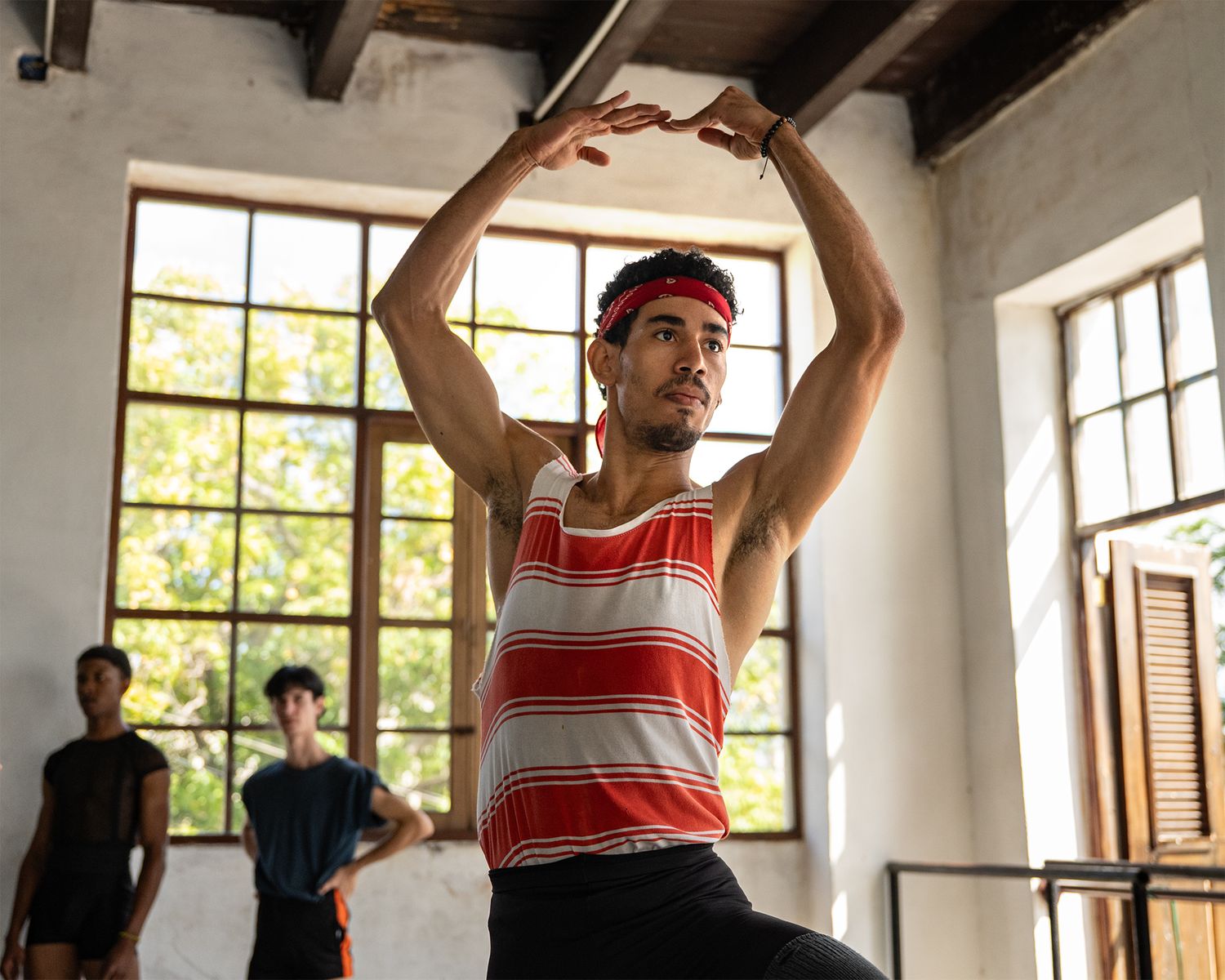
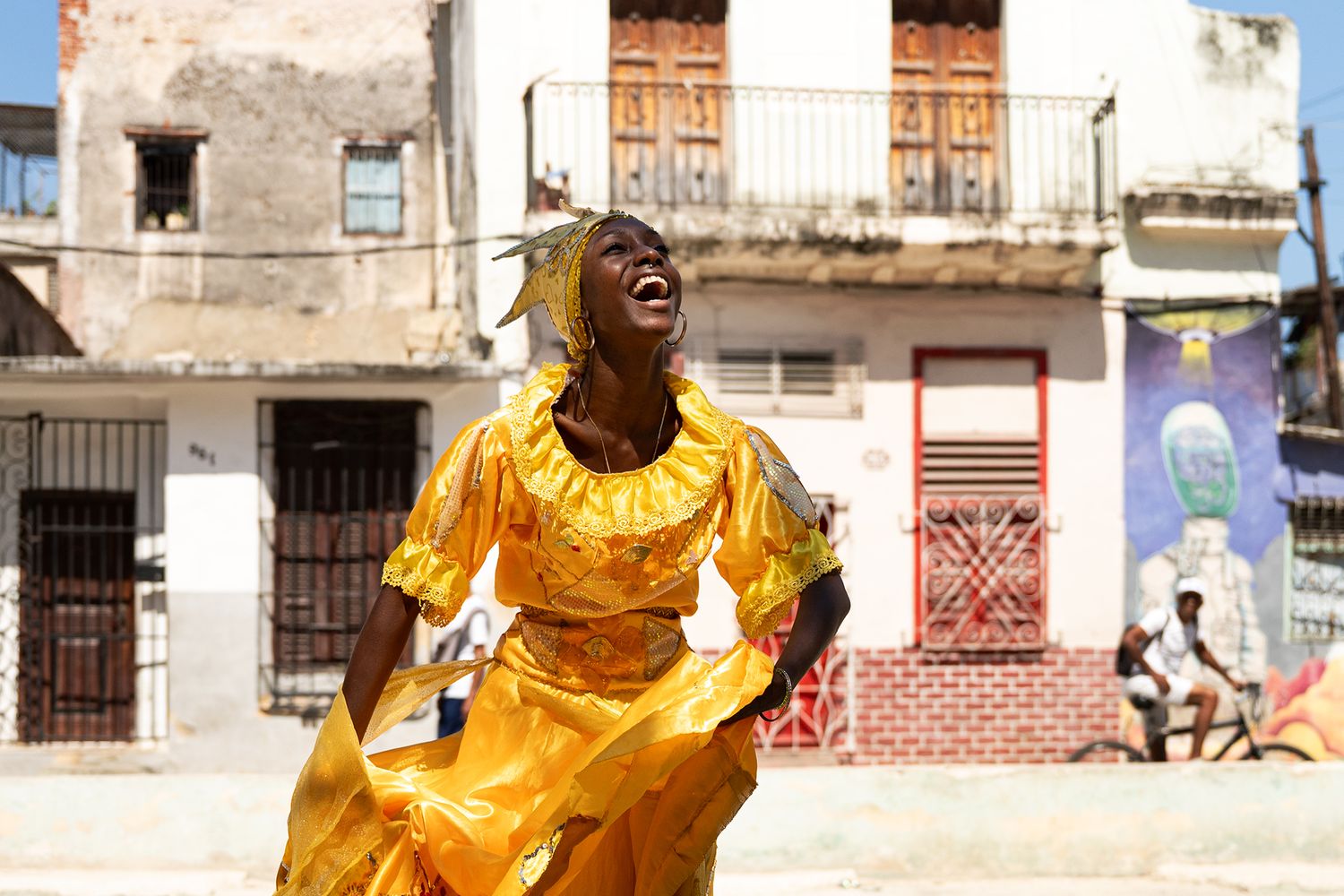
The arts are alive in Cuba. Dance is a particularly popular expression. There are various forms present including modern dance and ballet.
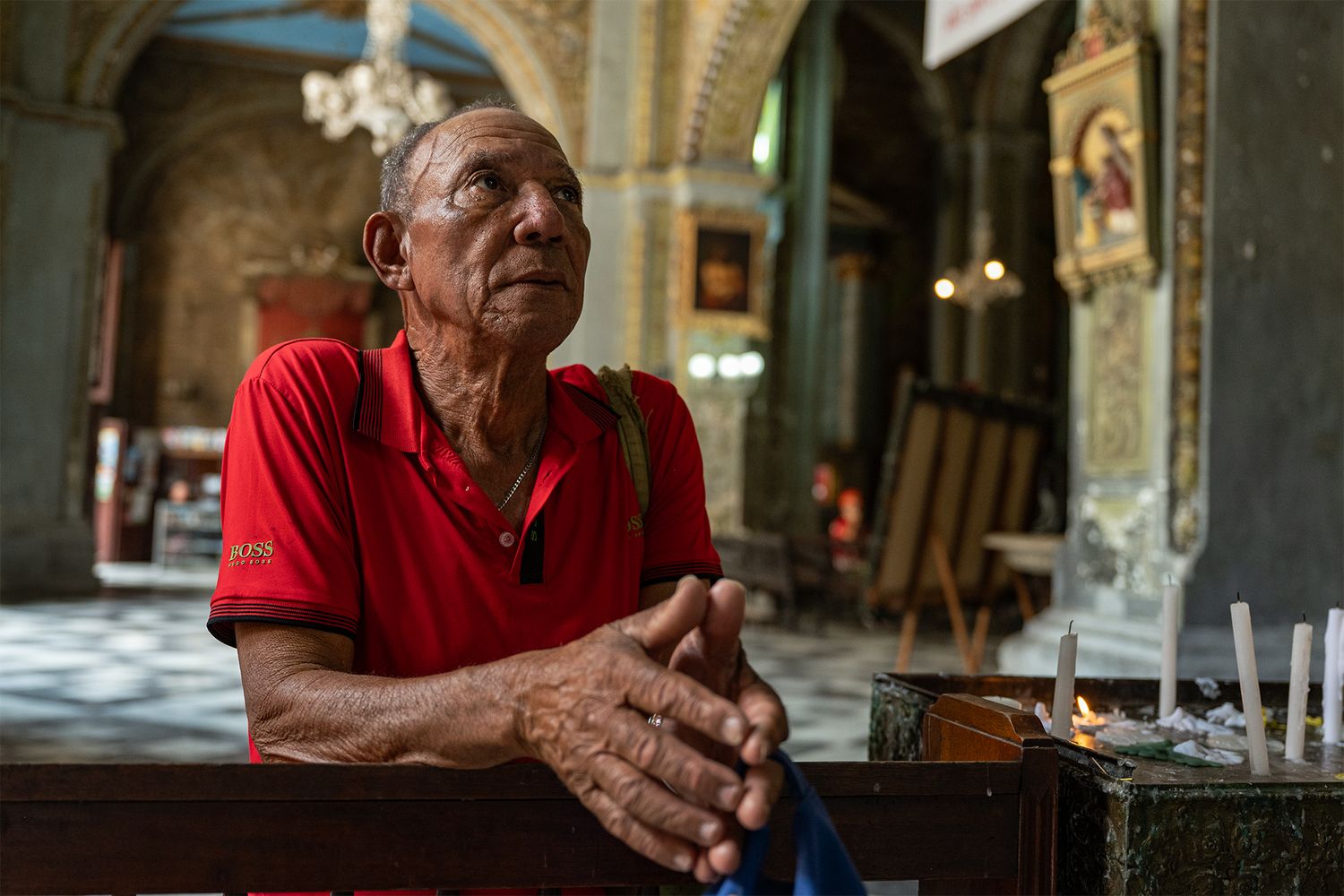
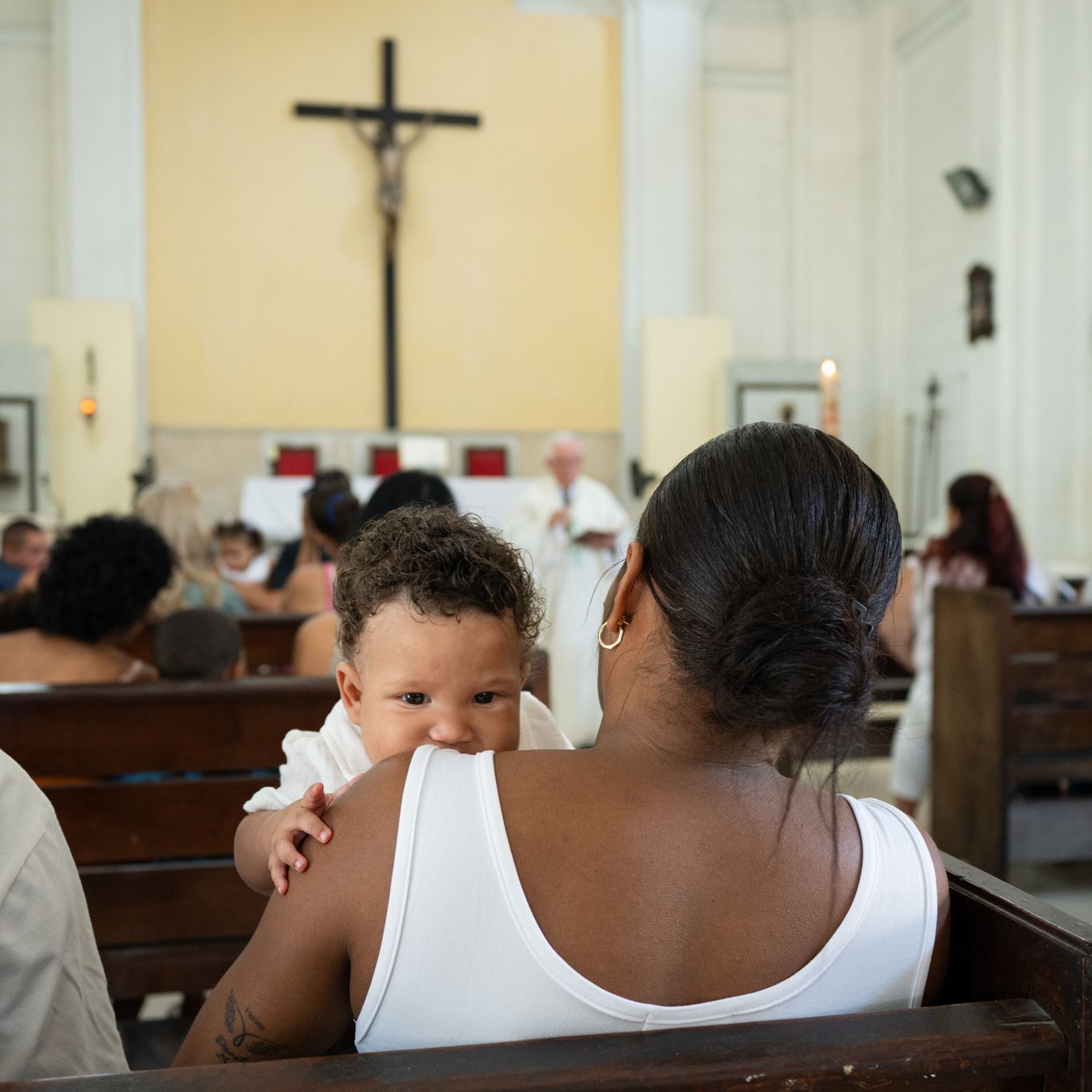
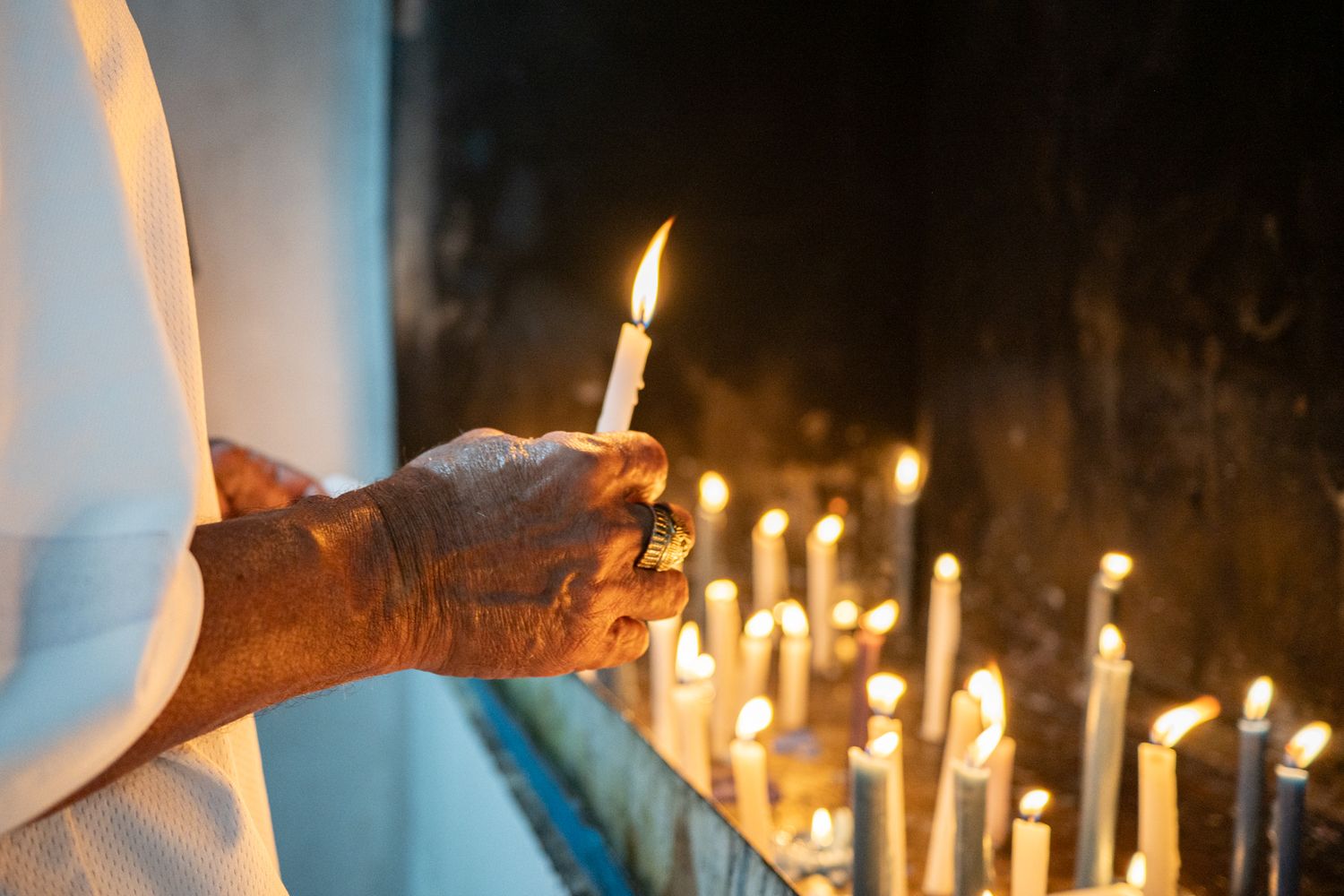
Religion
Boxing
Videos
